Description
Euclinia longiflora is a perennial woody plant belonging to the Rubiaceae family. In its native habitat, it typically grows as a shrub or a small tree, highly regarded for its distinctive, elongated tubular flowers that release a potent fragrance, making it a sought-after specimen for tropical botanical collections.
The species originates from the tropical regions of West and Central Africa. It thrives in the understory of moist forests, where high humidity and warm temperatures persist year-round. Due to its sensitivity to cold, its cultivation is largely restricted to greenhouses, botanical conservatories, and tropical landscapes where frost is non-existent.
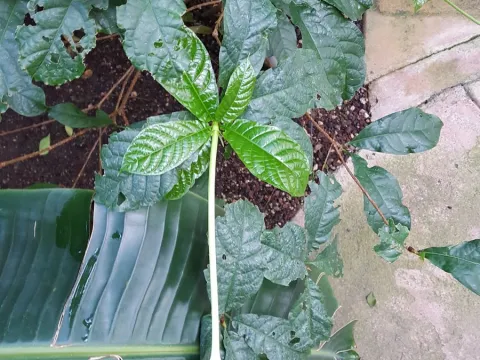
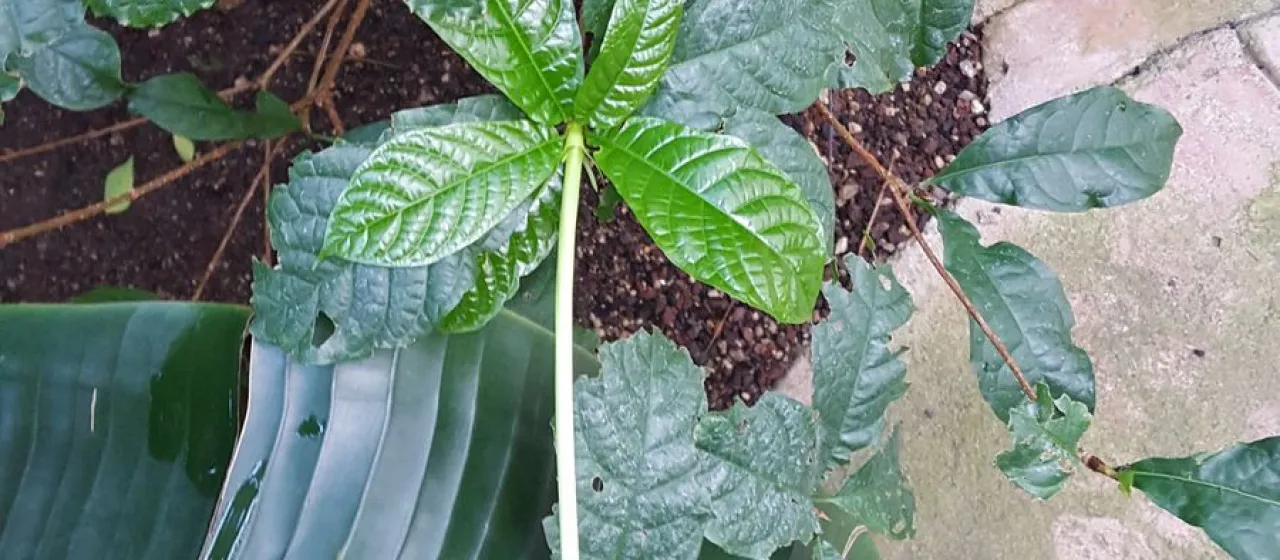
Botanically, the plant is characterized by its large, leathery, opposite leaves and impressive floral display. The flowers feature a long, narrow corolla tube that expands at the apex, which is a structural adaptation for pollination by long-tongued insects. Following fertilization, the plant produces berries containing numerous seeds that serve as the primary method for propagation.
Cultivation requires a well-draining, nutrient-rich substrate, preferably with a slightly acidic pH. Consistent soil moisture is critical; however, waterlogging must be avoided to prevent root rot. The plant prefers bright, filtered light, as direct tropical sunlight can scorch the foliage. Temperature stability is essential, with an ideal range between 20°C and 28°C.
The primary use of Euclinia longiflora is decorative, serving as an ornamental feature in tropical garden design and indoor plant collections. While its agricultural use for food or fiber is minimal, it remains an object of interest for ethnobotanical studies due to the diverse chemical profile often found in the Rubiaceae family, which may have future potential in pharmaceutical research.
- Regular fertilization with a balanced, organic-based fertilizer during the growing season.
- Maintaining air humidity above 70% to ensure healthy leaf development.
- Pruning to maintain a manageable shape and encourage denser branching.
- Constant monitoring for sap-sucking pests like mealybugs and spider mites.
Photo gallery