Eucommia
Eucommia ulmoides Oliv.
Description
Eucommia (Eucommia ulmoides Oliv.), commonly known as the hardy rubber tree, is the sole member of the Eucommiaceae family. This distinctive deciduous tree is highly valued in agriculture and medicine due to its unique ability to produce gutta-percha, a natural latex-like polymer found in its leaves, bark, and fruit.
The tree is native to the temperate forests of central and eastern China. It has been cultivated extensively for centuries within its native range and has been introduced to various other regions globally. It thrives in temperate climates that provide a moderate growing season, though it can tolerate a range of soil types provided they have good drainage.
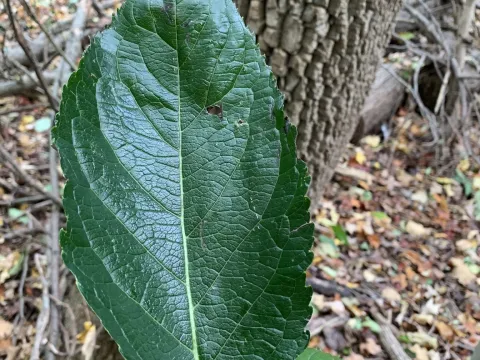
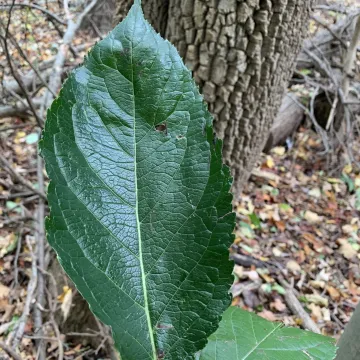
Botanically, the Eucommia tree can grow up to 20 meters tall with a broad, rounded canopy. Its leaves are dark green, serrated, and ovate, featuring a unique anatomical trait: when torn, the leaf veins stretch as thin, elastic fibers of gutta-percha. The species is dioecious, meaning individual trees are either male or female, and it produces samara-type winged seeds.
Regarding cultivation requirements, Eucommia prefers deep, moist, and nutrient-rich soils. It requires full sunlight to partial shade for optimal growth. Agricultural management involves regular maintenance, such as pruning to manage height, consistent irrigation during drought periods, and ensuring soil fertility through balanced fertilization programs to encourage biomass production.
The economic value of Eucommia is driven by two main sectors: the pharmaceutical industry, where its bark is processed into extracts for antihypertensive treatments, and the rubber industry. While generally robust, the trees may occasionally be affected by specific fungal leaf diseases or aphid infestations, which are typically managed through standard integrated pest management practices.
Photo gallery