Description
Silky browntop (Eulalia fulva) is a perennial grass species belonging to the Poaceae family. In agricultural contexts, it is recognized as a productive forage plant that demonstrates significant resilience in tropical and subtropical climates, making it a valuable resource for livestock farming in specific geographical regions.
Originating primarily from Australia and parts of Asia, this species has adapted to diverse environments. Its range of cultivation includes warm-climate zones where it is utilized not only for fodder but also for soil conservation efforts. The plant's ability to stabilize loose soil surfaces makes it an excellent candidate for erosion control programs.
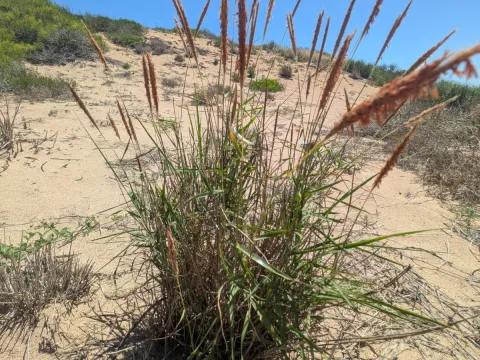
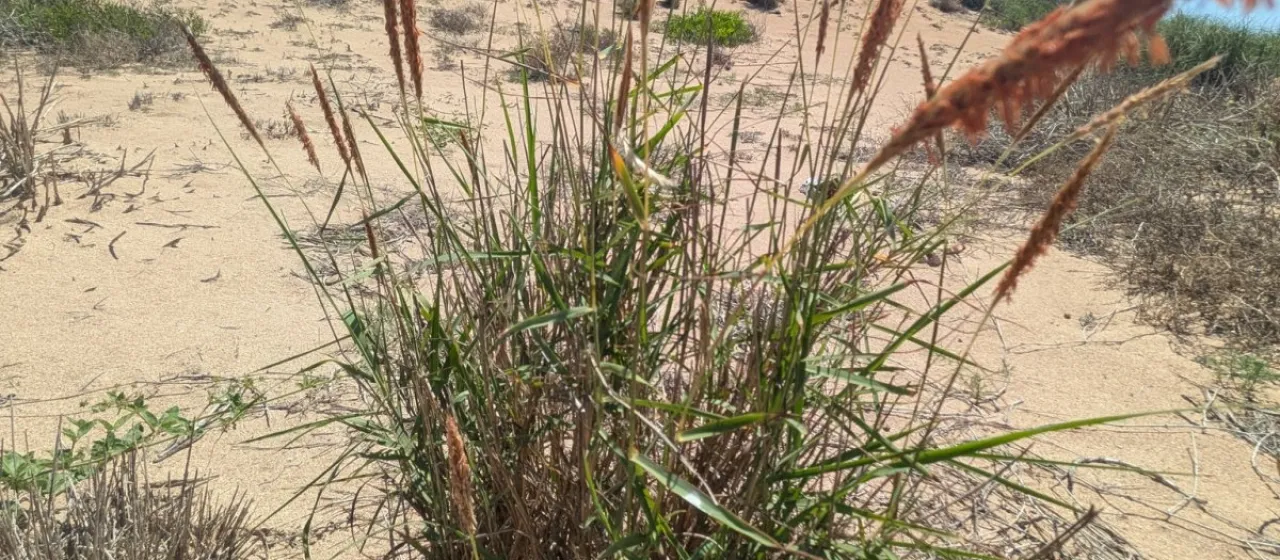
Botanically, the plant is characterized by its erect culms and dense, feathery panicles that often feature a distinct rusty or tawny appearance, which is the source of its common name. The extensive root system is a critical adaptation, allowing the grass to maintain growth during periods of moisture stress, which is a common occurrence in its native range.
Regarding agrotechnical requirements, Silky browntop performs best in well-drained soils and requires adequate sunlight to reach its full potential. While it can survive in nutrient-poor soils, fertilization management can significantly enhance its biomass production. Farmers typically focus on grazing management to ensure the longevity of the pasture stand.
The primary agricultural applications for this species include:
- Livestock grazing in pastoral farming systems.
- Hay production for supplemental feed during the off-season.
- Environmental restoration projects aimed at preventing land degradation.
- Enhancing pasture diversity in semi-arid regions.
As with many grasses, the crop can be susceptible to common pests such as aphids and various leaf-feeding insects, as well as fungal pathogens that thrive in humid conditions. Integrated pest management strategies, focusing on optimal grazing pressure and field rotation, are essential to maintaining healthy, productive stands and preventing the buildup of disease pressure.
Photo gallery