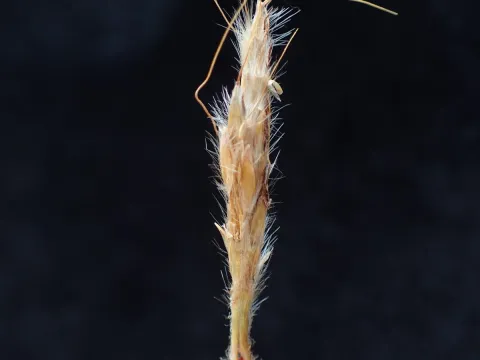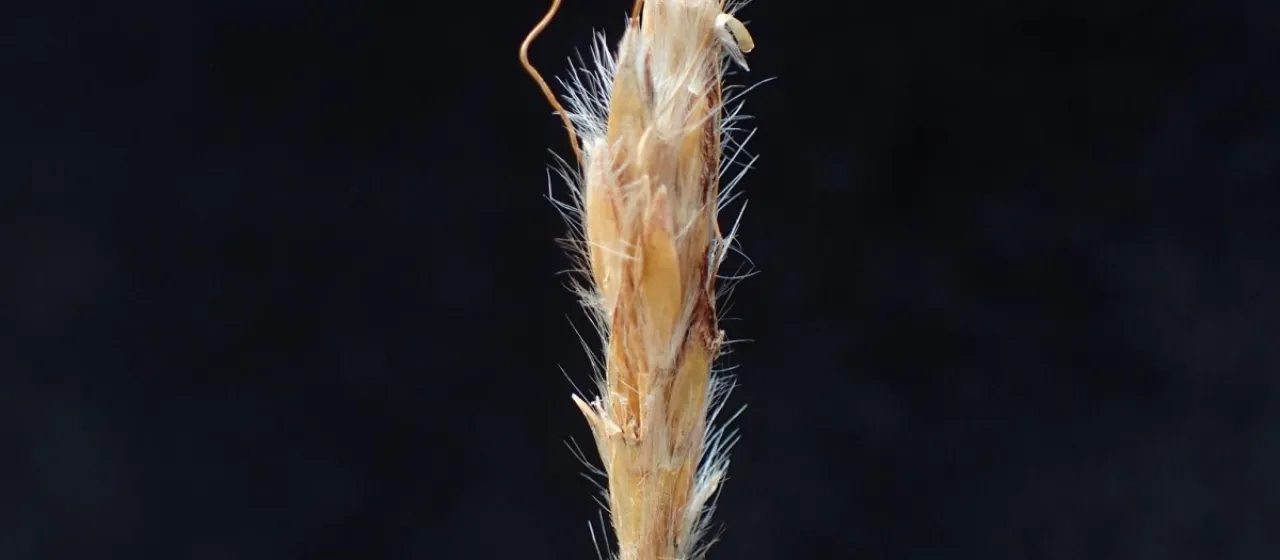
Description
Eulalia villosa is a perennial grass species belonging to the Poaceae family. Known for its robust growth and ability to thrive in diverse environments, this plant is increasingly recognized in agricultural circles for its potential as a source of biomass. It forms dense clumps, which contribute to its stability and resilience in various field conditions.
The plant originates from tropical and subtropical regions, primarily throughout Africa and parts of Asia. It is natively found in savanna ecosystems and open grasslands, where it has evolved to tolerate intense sunlight and prolonged dry spells. This natural adaptation makes it a hardy species capable of establishing itself in areas where other more sensitive crops might fail.
Botanically, Eulalia villosa is characterized by stiff, upright culms that can grow up to 1.5 meters in height. Its narrow leaves are often covered in fine, soft hairs, a feature that distinguishes it from related species. The root system is significantly developed, forming a dense network that provides structural integrity to the soil and helps the plant access moisture during extended droughts.
Agronomic requirements are relatively straightforward, focusing on well-drained soils and adequate sunlight. While the species is drought-tolerant, optimal yield requires basic land preparation and proactive weed management during the early establishment phase. The plant displays good natural resistance to many common fungal diseases, though farmers are advised to monitor for local insects that might occasionally impact grass crops in the region.
Key areas of economic and agricultural use include:
- Utilization as forage and fodder for livestock during early growth stages.
- Production of high-quality biomass for renewable energy and biofuel applications.
- Soil erosion control on slopes and unstable terrain due to its dense root structure.
- Ornamental use in landscaping and restoration of native grass habitats.
Photo gallery