Description
The Eastern wahoo (Euonymus atropurpureus) is a deciduous shrub or small tree belonging to the Celastraceae family. Native to North America, this plant is recognized for its unique appearance, characterized by slender branches and a loose, airy growth habit that adds texture to any garden or naturalized planting area.
The species naturally occurs in the forest understories and floodplains of its native range. Because of its historical adaptation to varied environments, it exhibits significant resilience and hardiness in the temperate zones. It thrives best when placed in locations that mimic its natural habitat, providing a balance of moisture and adequate air circulation to ensure long-term vitality.
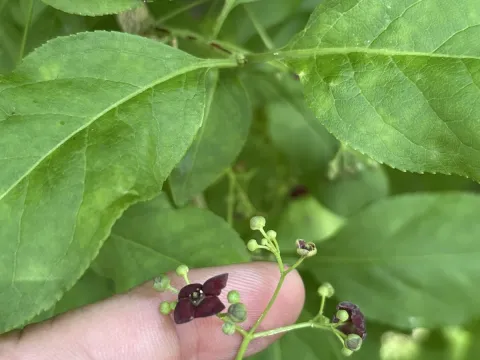
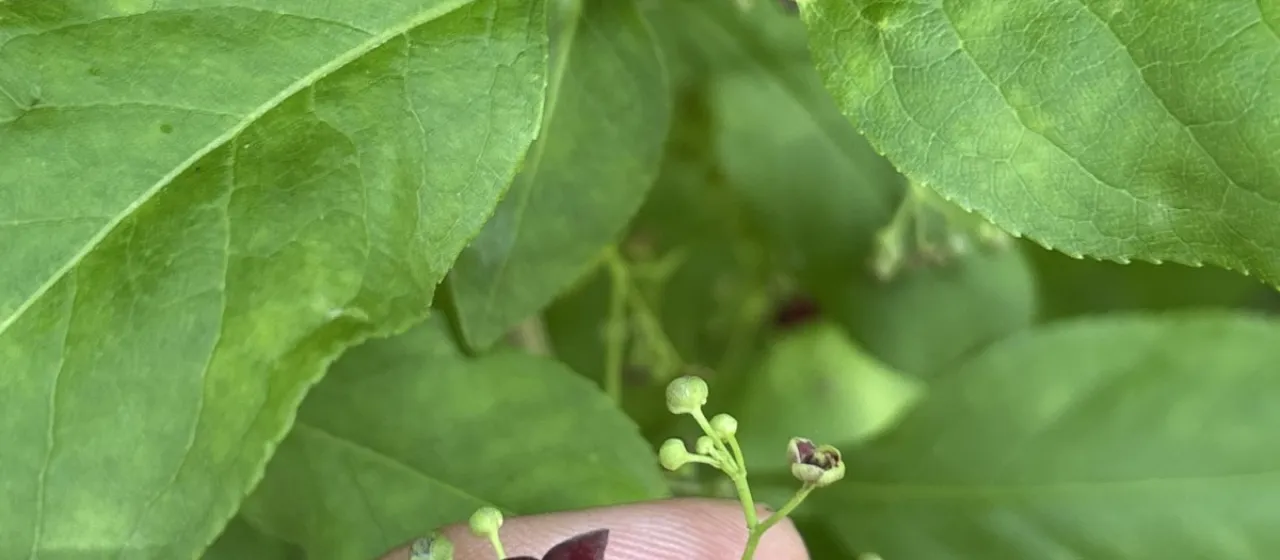
Botanically, it is defined by opposite, ovate leaves with finely serrated margins. The flowers, appearing in late spring, are small and distinctively dark purple or brownish-red. However, the most iconic feature of this species is its bright, pinkish-red, four-lobed capsules that remain on the branches into late autumn, often providing a striking contrast against the fall landscape.
Cultivation requirements involve planting in well-drained, nutrient-rich soils. While the Eastern wahoo is tolerant of various soil types, it performs best in slightly acidic to neutral environments. Proper maintenance includes consistent watering during dry spells, particularly for younger specimens, and light pruning to maintain a desirable shape and promote structural health of the crown.
- Distinctive reddish-purple autumn foliage and fruits.
- Valuable for wildlife support and bird habitats.
- Low-maintenance choice for shrub borders and woodland gardens.
- Adaptable to diverse temperate climate conditions.
In terms of practical application, the Eastern wahoo is primarily used as an ornamental specimen in landscaping and ecological restoration projects. While generally healthy, it can occasionally be susceptible to scale insects or powdery mildew. Integrated pest management, including monitoring and appropriate horticultural practices, is sufficient to keep the plant in excellent condition, ensuring its lasting aesthetic and environmental contribution.
Photo gallery