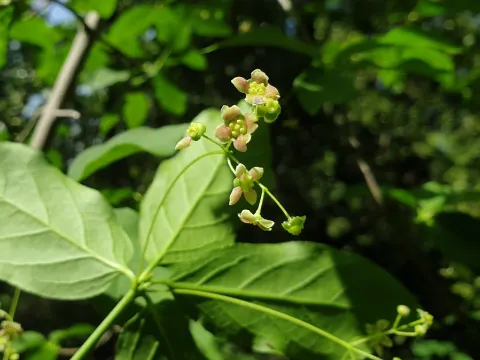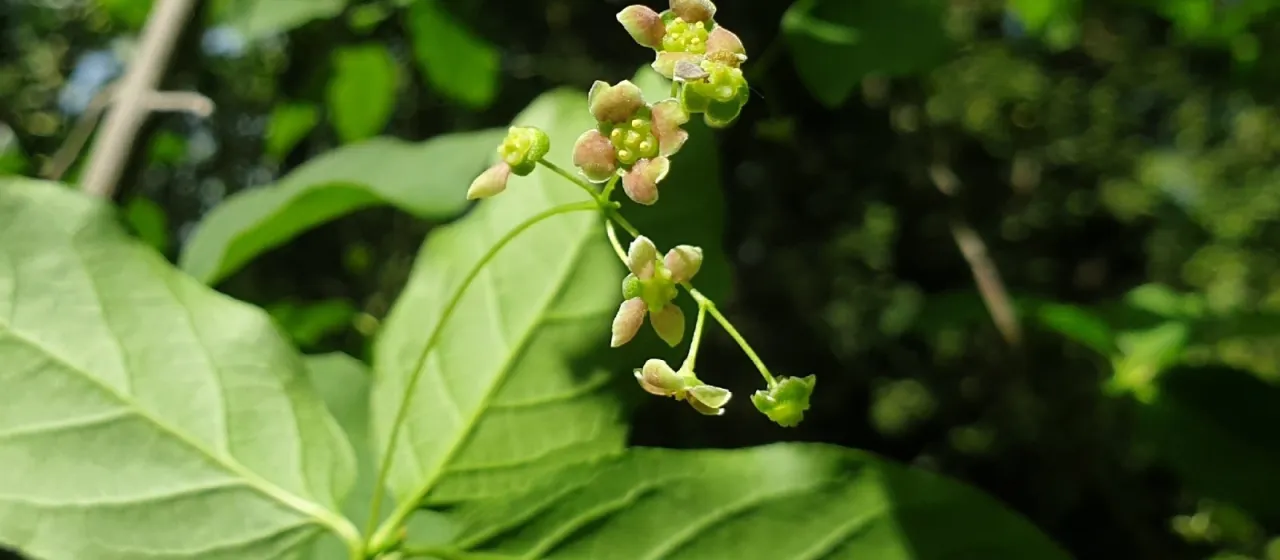
Description
The broad-leaved spindle (Euonymus latifolius) is a deciduous woody shrub or small tree belonging to the Celastraceae family. It is widely recognized for its high ornamental value, primarily due to its striking, large, four-lobed pinkish-red fruits that reveal bright orange-covered seeds when mature in late summer and autumn.
Native to parts of Central and Southern Europe, the Caucasus, and Western Asia, this species naturally thrives in understory habitats of broad-leaved forests. Its environmental preference for nutrient-rich, moist, and slightly calcareous soils makes it a suitable candidate for specific garden settings that mimic its natural woodland environment.
Botanically, Euonymus latifolius is characterized by large, opposite, elliptic-lanceolate leaves that feature finely serrated margins. In autumn, the foliage transforms into a spectacular display of deep crimson and purple shades, which, combined with the persistent fruits, makes it a highlight for any ornamental garden or naturalistic landscape design.
Regarding agrotechnical requirements, the plant performs best in locations with partial shade to filtered sunlight. It is intolerant of long periods of drought, so irrigation is essential during dry spells. The soil should be kept moderately moist and well-drained, ideally enriched with organic compost to provide the necessary nutrients for vigorous annual growth. Pruning is primarily done to maintain the desired shape and remove dead or diseased woody tissue.
The practical applications of this crop include:
- Enhancing biodiversity and aesthetic value in landscape design.
- Use as a specimen plant or in naturalistic screening hedges.
- Educational and research purposes in botanical collections and nurseries.
Common plant health issues include infestations by scale insects, aphids, and the spindle ermine moth, alongside susceptibility to powdery mildew in poor air-circulation conditions. Effective management involves maintaining strong plant vigor through proper fertilization, regular pruning to ensure airflow, and the application of integrated pest management strategies when signs of localized infection appear.
Photo gallery