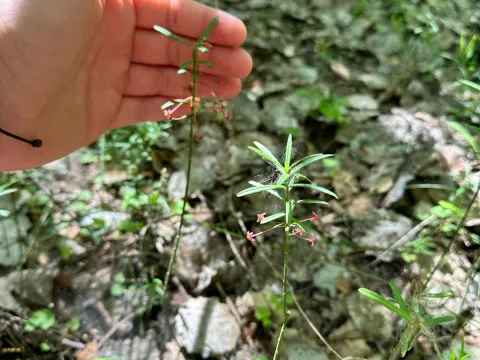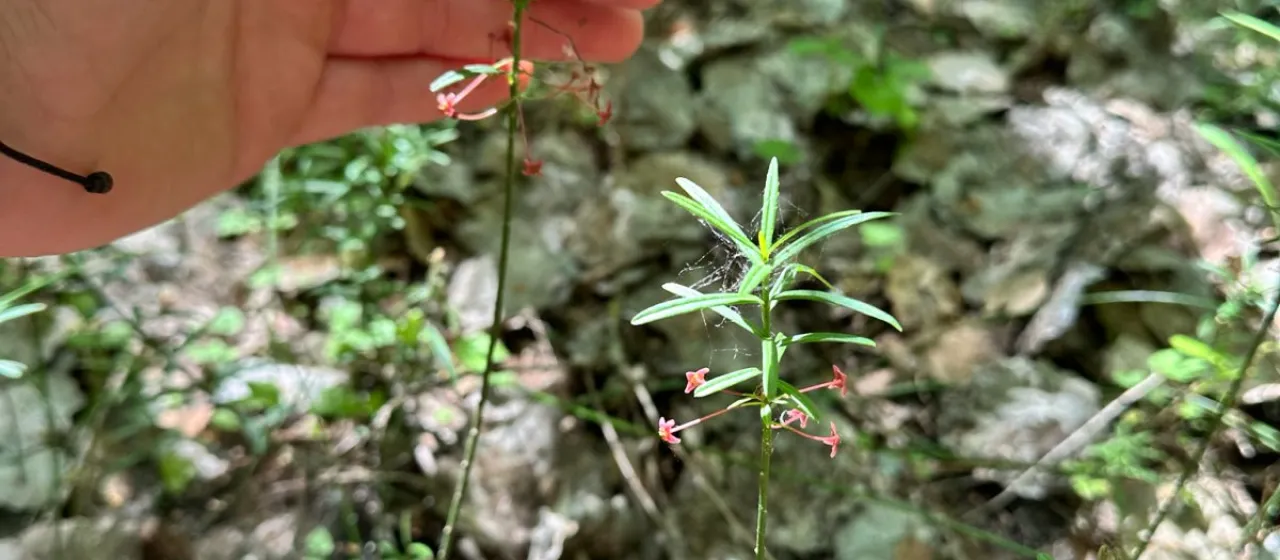
Description
Dwarf euonymus (Euonymus nanus) is a low-growing, evergreen or semi-evergreen shrub belonging to the Celastraceae family. It is prized for its sprawling habit, with slender stems that can creep along the ground, often rooting at the nodes to form a dense, low mat that serves as an excellent ground cover.
The native range of this species extends from Central Europe across to Central Asia and China. In its natural habitat, it typically grows in shaded or semi-shaded areas, such as forest understories and rocky slopes. Its resilience in diverse environmental conditions has made it a popular choice for ornamental horticulture in temperate zones.
Botanically, the plant is characterized by narrow, lanceolate leaves that maintain a deep green color throughout the growing season. The flowers are small, appearing in late spring with a subtle greenish-purple hue. The fruit is particularly striking—a four-lobed pink capsule that opens to reveal orange-coated seeds, providing visual interest well into the autumn.
Cultivation requires specific attention to soil moisture and light levels. Dwarf euonymus thrives in fertile, well-draining soils and performs best in partial shade, as intense direct sunlight can cause leaf scorching. Regular watering is essential for young plants to establish a healthy root system, and light pruning is recommended to manage its spread.
In landscape architecture and agriculture, this species serves several important decorative functions:
- Establishing low-maintenance ground cover in shaded landscape areas.
- Erosion control on gentle slopes and embankments.
- Adding architectural interest to rock gardens and alpine beds.
- Serving as a filler plant in shrub borders.
The main pests that may affect the health of the plant include spider mites, scale insects, and euonymus caterpillars. Regular inspection and appropriate integrated pest management practices are recommended to keep the plants healthy. Being a cold-hardy shrub, it is well-adapted to varied climates, though it benefits from mulch in extremely cold, exposed conditions.
Photo gallery