Description
The western burning bush (Euonymus occidentalis) is a deciduous shrub species belonging to the staff-tree family, Celastraceae. It is typically characterized by a spreading habit and can reach heights between 2 and 5 meters. This species is highly valued for its elegant appearance, featuring slender stems and delicate foliage that changes color gracefully throughout the growing season.
Native to the western parts of North America, particularly in regions stretching from British Columbia down through Washington, Oregon, and California, the plant thrives in moist environments. It is commonly found in riparian corridors, moist woodlands, and sheltered canyons, which informs its preference for cooler, semi-shaded microclimates in cultivated settings.
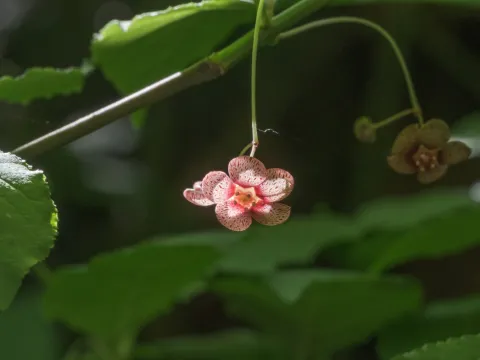
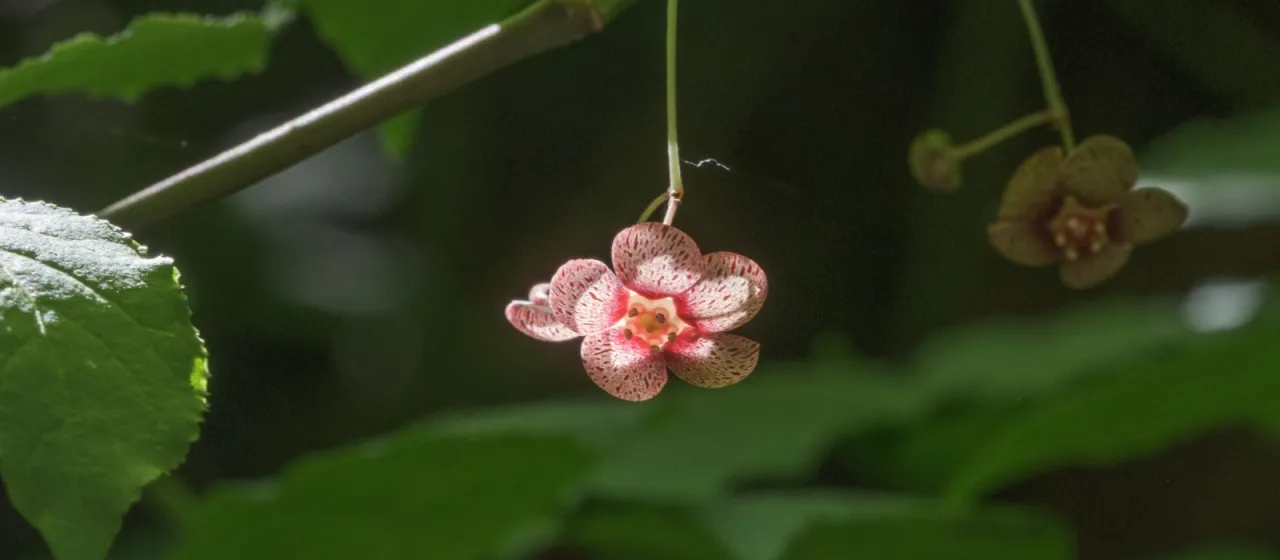
Botanically, Euonymus occidentalis displays opposite leaves with serrated margins. Its flowers are relatively small, often brownish-purple, and appear in the spring. The fruit is a distinctive, pendulous capsule that splits open to reveal seeds covered in a bright orange aril, providing significant visual interest in the late summer and autumn months.
Regarding cultivation, the western burning bush requires a site with partial shade, as intense direct sun can scorch its leaves. The soil should be well-draining, rich in organic matter, and kept consistently moist but not waterlogged. Mulching is highly recommended to regulate soil temperature and moisture levels, mimicking the forest floor conditions the plant naturally inhabits.
Maintenance and pest control are essential for healthy growth. Common issues include aphid infestations and spider mites, which can be managed with horticultural oils or insecticidal soaps. Maintaining proper spacing between plants ensures adequate airflow, which is critical to preventing fungal diseases like powdery mildew. Regular pruning should focus on removing dead or crossing branches to maintain the plant's natural, airy structure.
Photo gallery