Description
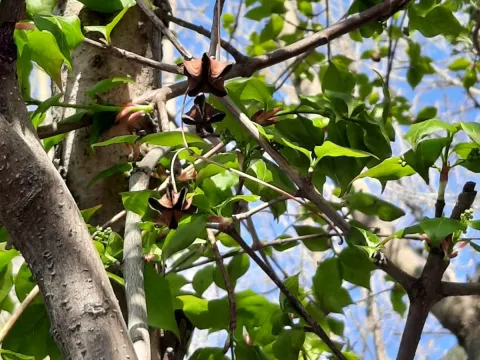
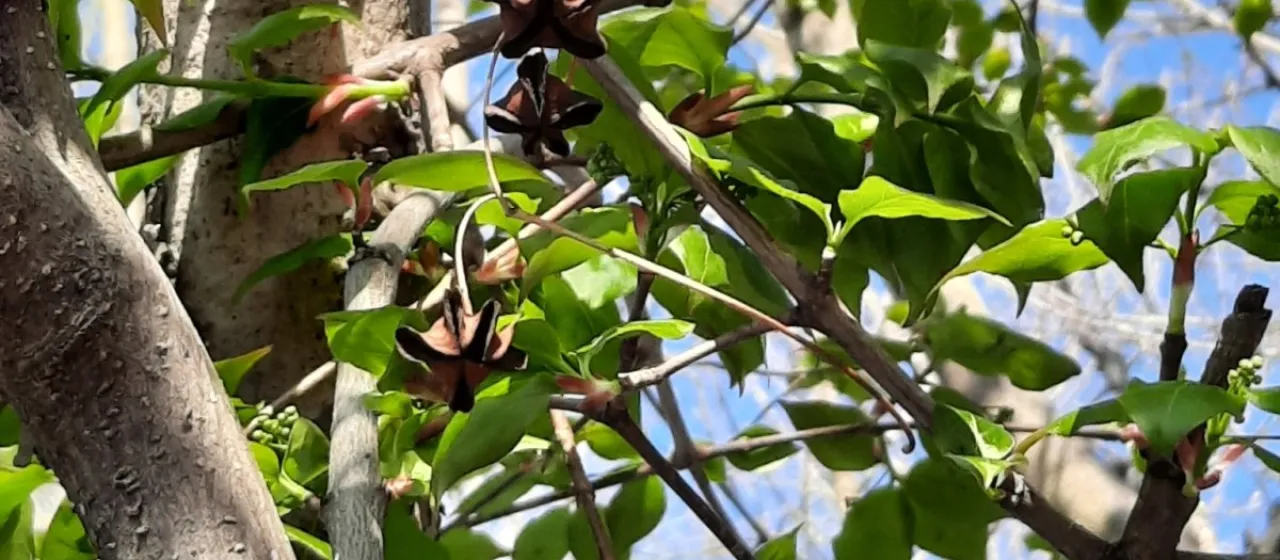
Sakhalin spindle (Euonymus sachalinensis) is a deciduous shrub belonging to the Celastraceae family. This plant is widely recognized for its high ornamental value, particularly during the autumn season when its foliage turns vibrant shades of red and pink, complemented by unique, colorful fruit capsules.
The native range of the Sakhalin spindle includes the Russian Far East, specifically Sakhalin and the Kuril Islands, as well as parts of Japan and the Korean Peninsula. In its natural habitat, it thrives in coniferous and mixed forests, typically preferring sheltered, shaded locations with high humidity and fertile, well-drained soil.
Botanically, the species is a multi-branched shrub reaching heights between 1.5 and 3 meters. The stems have a distinctive four-angled shape, and the leaves are opposite, elliptic, and finely serrated. Flowers are produced in late spring, appearing in small, inconspicuous greenish-purple clusters that eventually give way to decorative, dangling fruits.
Cultivation requirements for the Sakhalin spindle involve choosing a location with fertile, neutral to slightly acidic soil. While the plant is hardy and adapts well to various conditions, it benefits significantly from consistent moisture during the growing season. Mulching the root zone helps retain soil humidity, while occasional pruning maintains a dense and attractive form.
In landscaping, this shrub serves as an excellent specimen plant or as part of mixed hedges and woodland borders. Despite its resilience, gardeners should watch for common pests such as spider mites and spindle moths. Proper management of these pests, alongside basic maintenance, ensures the health and visual appeal of the shrub throughout the year.
Photo gallery