Description
Euonymus verrucosoides is a perennial shrub belonging to the Celastraceae family. This species is closely related to the common warty-barked spindle tree but possesses distinct morphological characteristics that set it apart. In landscaping and horticulture, it is highly valued for its aesthetic appeal, particularly in the autumn months when its foliage turns vibrant colors.
The plant originates from the mountainous regions of East Asia, primarily China. In its natural habitat, it thrives in the understory of mixed forests, preferring areas with moderate shade. Its cultivation area includes various temperate climate zones where it adapts well to open ground conditions, showing sufficient hardiness to withstand colder winters.
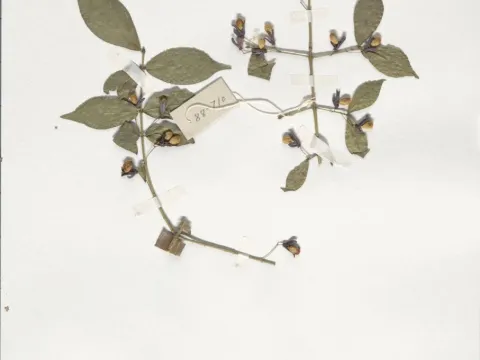
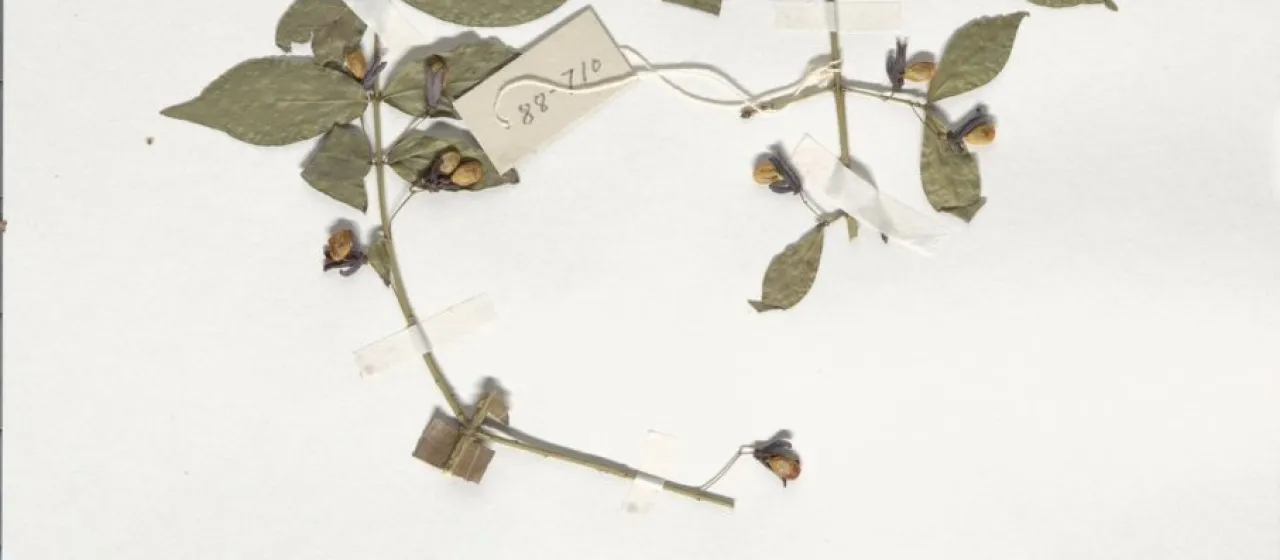
Botanically, Euonymus verrucosoides is a deciduous shrub with a dense crown. A primary feature is its branches, which are covered in characteristic warty outgrowths. Its leaves are arranged oppositely, possess an elliptical shape, and have a leathery texture. In autumn, the shrub becomes a visual focal point, showcasing bright pink or crimson foliage and unique fruit capsules.
Agricultural requirements include planting in well-drained, fertile soil with a neutral to slightly alkaline pH. The crop prefers partial shade, as excessive direct sunlight can cause the leaf coloration to fade. Maintenance includes regular watering during dry spells, applying organic fertilizers in the spring, and performing sanitary pruning to maintain the plant's structural integrity and shape.
The shrub is widely used in landscape design for parks, private gardens, and hedges. Due to its hardiness, it is also a popular choice for urban greenery. Common pests include spider mites and scale insects, while powdery mildew is the most frequent disease. Effective management involves using appropriate fungicides and insecticides to keep the plant healthy and vigorous.
Photo gallery