Description
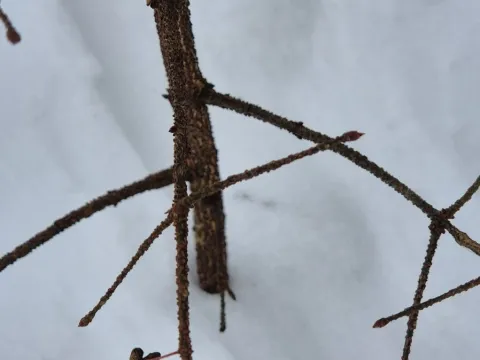
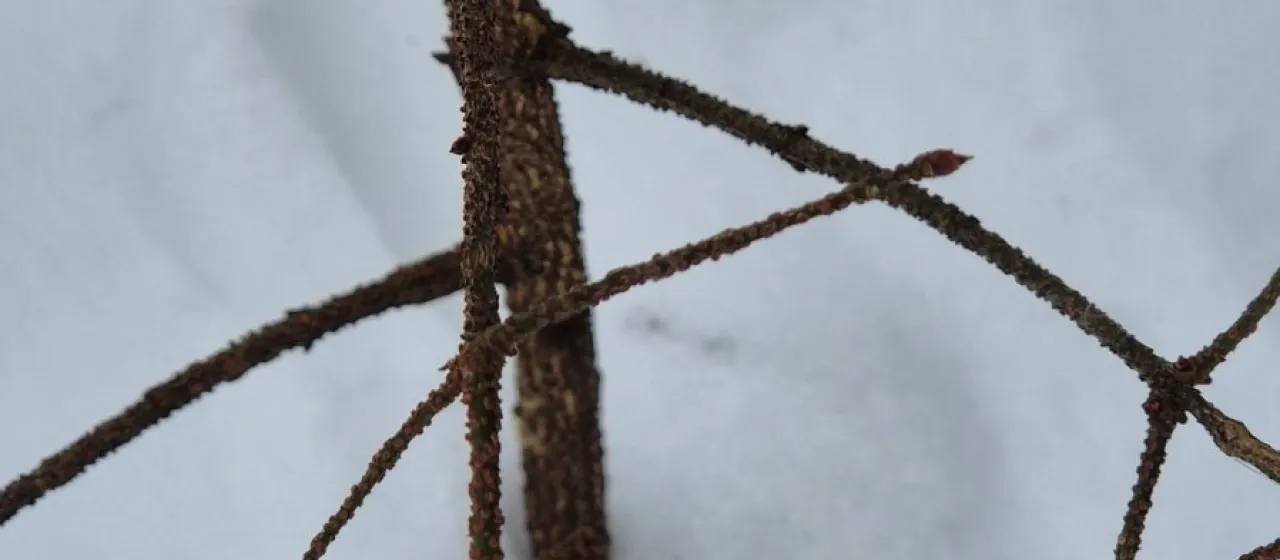
The European spindle (Euonymus verrucosus) is a deciduous shrub species belonging to the family Celastraceae. It is widely recognized by the distinct, wart-like corky outgrowths on its young shoots, which gives the plant its scientific name. This woody plant typically reaches a height of 2 to 3 meters in optimal conditions.
Originating from the forests of Europe, the Caucasus, and Asia Minor, this species has adapted to various temperate climates. It typically grows as part of the understory in deciduous or mixed forests. Because of its hardy nature and attractive foliage changes, it has become a popular choice for gardeners and landscapers seeking low-maintenance shrubs.
Botanically, it features opposite, ovate leaves and small, nondescript flowers that appear in spring. Its fruit is a four-lobed capsule that splits open to reveal seeds covered in a bright orange aril, which attracts birds. It is crucial to note that all parts of the Euonymus verrucosus plant are considered toxic to humans and pets if ingested.
Regarding cultivation, the plant is quite versatile, preferring fertile, well-drained, and slightly alkaline soils. It is highly shade-tolerant and cold-hardy, allowing it to flourish in various garden locations. While it can tolerate some drought, consistent moisture during the growing season promotes denser foliage and better fruit development.
In landscaping, this species is used for naturalistic hedging, borders, and woodland gardens. Maintenance involves basic pruning to shape the plant and remove dead branches. Gardeners should watch for typical pests like scale insects and aphids, which can be managed with standard horticultural oils or systemic treatments if the infestation is severe.
Photo gallery