Description
Glehn's thoroughwort (Eupatorium glehnii) is a perennial herbaceous plant belonging to the Asteraceae family. In an agricultural context, it is recognized for its robust growth patterns and significant biomass production, making it a subject of interest for sustainable farming and botanical research.
The plant originates from the regions of the Far East, specifically occurring in habitats across the Russian Far East and Japan. Its natural range indicates a preference for moist, riparian zones and meadows, which serves as a foundation for understanding its requirements when introduced into cultivation in similar temperate climatic zones.
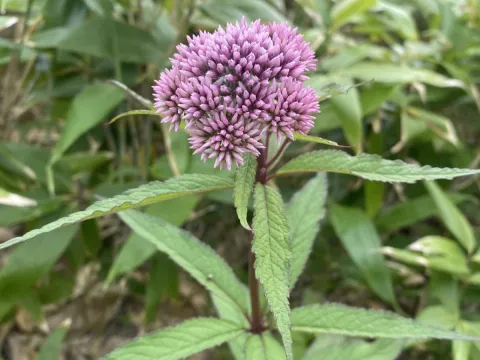
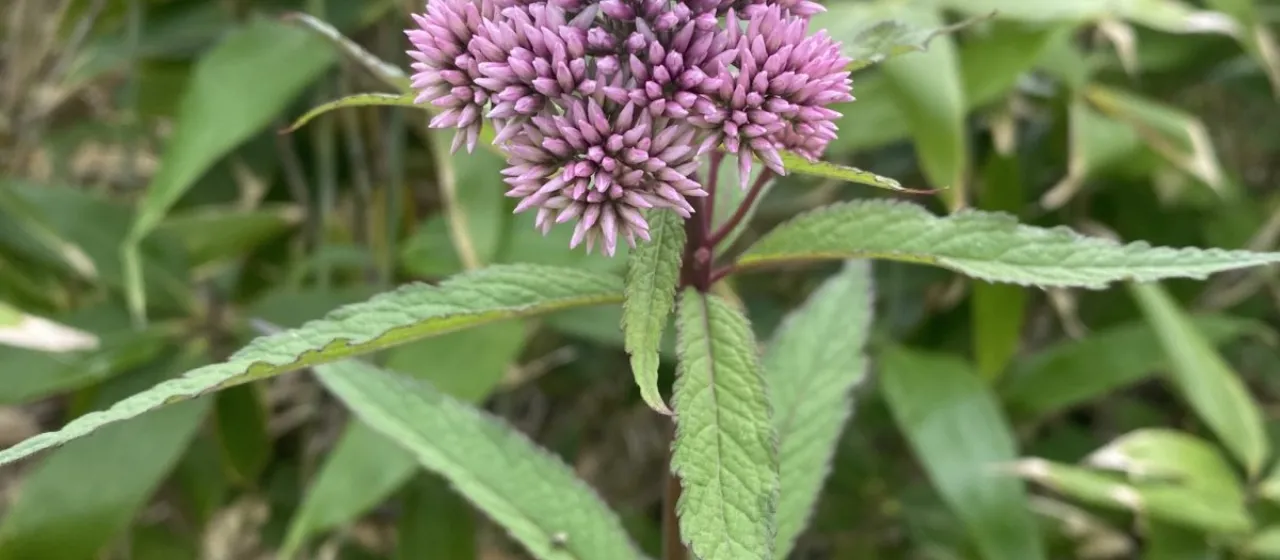
Botanically, Eupatorium glehnii is characterized by a strong rhizome system and upright stems that can reach significant heights. The leaves are typically lanceolate with serrated margins. The inflorescences are composed of dense, corymbose clusters of small tubular flowers, which emerge in late summer, contributing to its aesthetic and ecological value.
Agronomic requirements emphasize the need for nutrient-rich, well-drained but consistently moist soil. The crop responds positively to systematic fertilization with nitrogen-based compounds in the early stages of growth. Proper crop management involves regular weed control and ensuring adequate water availability, as the plant is sensitive to severe drought stress.
Main directions for economic use include:
- Pharmaceutical raw material production due to phytochemical content.
- Support for apiculture as a late-season nectar source.
- Landscaping and nursery trade for wild-style garden restoration.
Common pests and diseases include powdery mildew, particularly in areas with poor ventilation and high humidity. Insect pests like aphids may affect younger plants. A robust integrated pest management strategy, emphasizing prophylactic measures and appropriate spacing of rows, is crucial for maintaining the health and productivity of the crop throughout the growing season.
Photo gallery