
Description
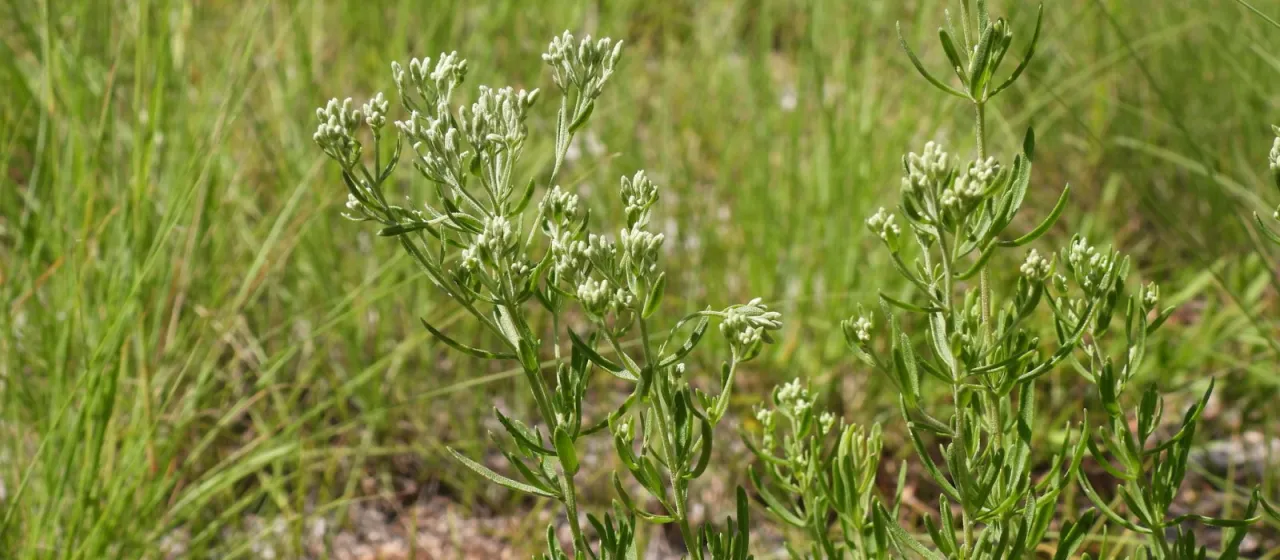
Hyssop-leaved thoroughwort (Eupatorium hyssopifolium) is a herbaceous perennial plant belonging to the Asteraceae family. Known for its distinct appearance and resilience, this species has gained interest in various agricultural and horticultural circles for its ability to thrive in diverse environmental conditions with minimal human intervention.
Native to North America, the plant is typically found in habitats such as dry meadows, fields, and rocky woodlands. Its distribution range indicates a high tolerance for varying soil textures, from sandy to loamy substrates. It excels in temperate climates where it can complete its full growth cycle, including dormancy during the colder winter months.
Botanically, the species is defined by its erect, leafy stems and linear leaves that resemble those of the hyssop plant. The inflorescences consist of small, white flower heads clustered in terminal corymbs. This morphology not only contributes to its aesthetic value but also serves as an effective mechanism for pollination by a wide array of insects, including bees and butterflies.
Cultivation requirements for this crop focus on site selection that provides adequate drainage and sufficient sunlight. While it can tolerate a variety of soil pH levels, slightly acidic to neutral soils are preferred. Agronomic management involves light pruning to maintain plant vigor, moderate irrigation during establishment, and occasional clearing of invasive weeds that may compete for nutrients during the early stages of growth.
Key areas of хозяйственного use include:
- Ornamental landscape design and prairie restoration projects.
- Erosion control in riparian or hillside areas.
- Supporting pollinator health in agricultural buffer zones.
- Utilization as a medicinal herb within traditional herbalism practices.
Pest and disease management is generally straightforward due to the species' inherent robustness. However, growers should monitor for common fungal issues like powdery mildew, which can occur in stagnant, humid environments. Maintaining proper air circulation and avoiding overhead watering are the primary methods for disease prevention, ensuring the longevity and health of the stand.