Description
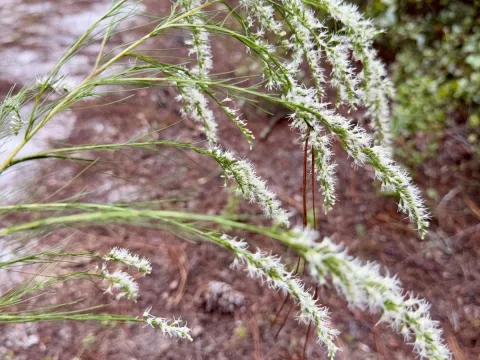
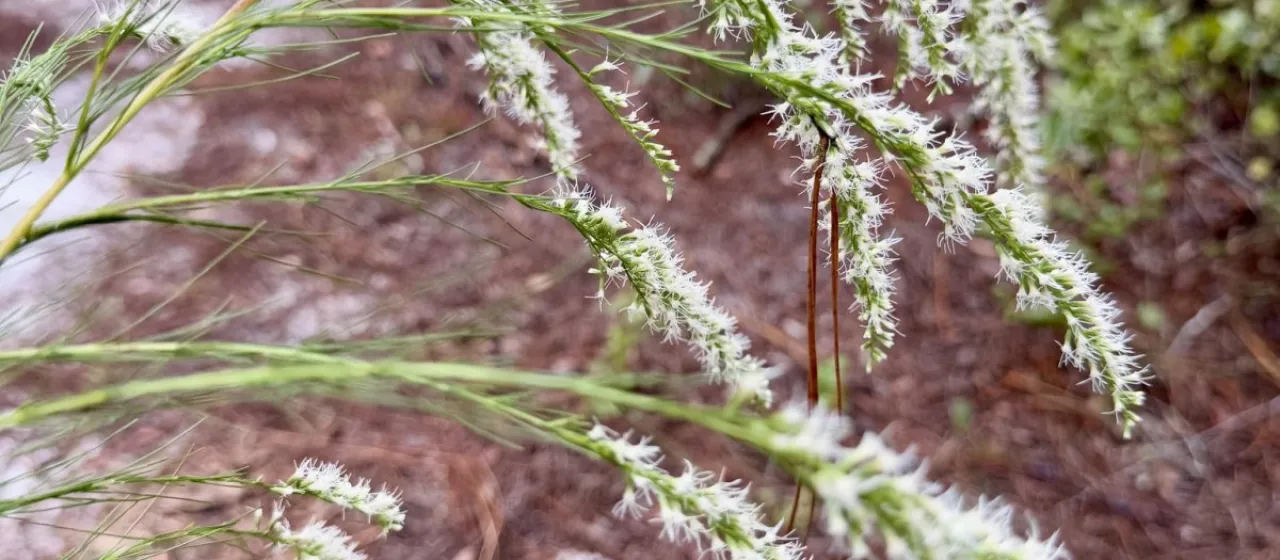
Narrow-leaf thoroughwort (Eupatorium leptophyllum) is a perennial herbaceous plant belonging to the Asteraceae family. This species is highly regarded in horticulture for its fine-textured foliage and late-season blooms, providing aesthetic value to landscapes during late summer and autumn months.
The plant is native to the southeastern United States, where it thrives in moist to wet environments. Its natural habitat includes marshes, bogs, and the edges of bodies of water. Understanding this geographical origin is key to providing the necessary environmental conditions for successful cultivation in garden settings.
Botanically, Eupatorium leptophyllum is characterized by its erect, rigid stems and slender, whorled leaves. The inflorescence consists of small, delicate florets gathered into terminal corymbs. The flower color is typically white to off-white, creating a soft visual contrast against the dark green narrow leaves.
For optimal growth, the species requires a site with full sun or partial shade. The most critical agronomic factor is soil moisture; the plant prefers consistently moist soil and does not tolerate drought well. Supplementing the soil with organic matter such as compost helps maintain the necessary moisture levels and supports vigorous development.
- Requires consistent irrigation during dry spells.
- Thrives in humus-rich, acidic to neutral soils.
- Can be propagated by division in the spring.
- Attracts pollinators such as butterflies and bees.
In terms of usage, it is primarily employed in naturalistic landscaping and rain gardens. While it is generally a robust species, gardeners should monitor for common pests like aphids or spider mites. Proper plant spacing is essential to ensure good air circulation, which prevents fungal issues like powdery mildew from affecting the foliage.
Photo gallery