Description
Lindley's eupatorium (Latin: Eupatorium lindleyanum) is a perennial herbaceous plant belonging to the Asteraceae family. Recognized for its unique phytochemical properties, it has historically served as a significant medicinal plant in East Asian traditional practices and is increasingly being explored for modern agricultural and pharmacological applications.
The plant is native to East Asia, with a broad distribution range including China, Japan, Korea, and parts of the Russian Far East. It naturally thrives in riparian habitats, wet meadows, and humid woodland fringes, exhibiting a strong ecological preference for consistently moist soil environments.
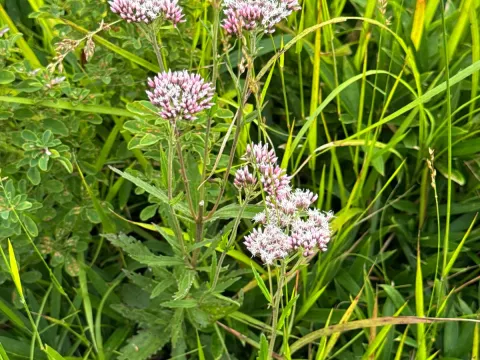
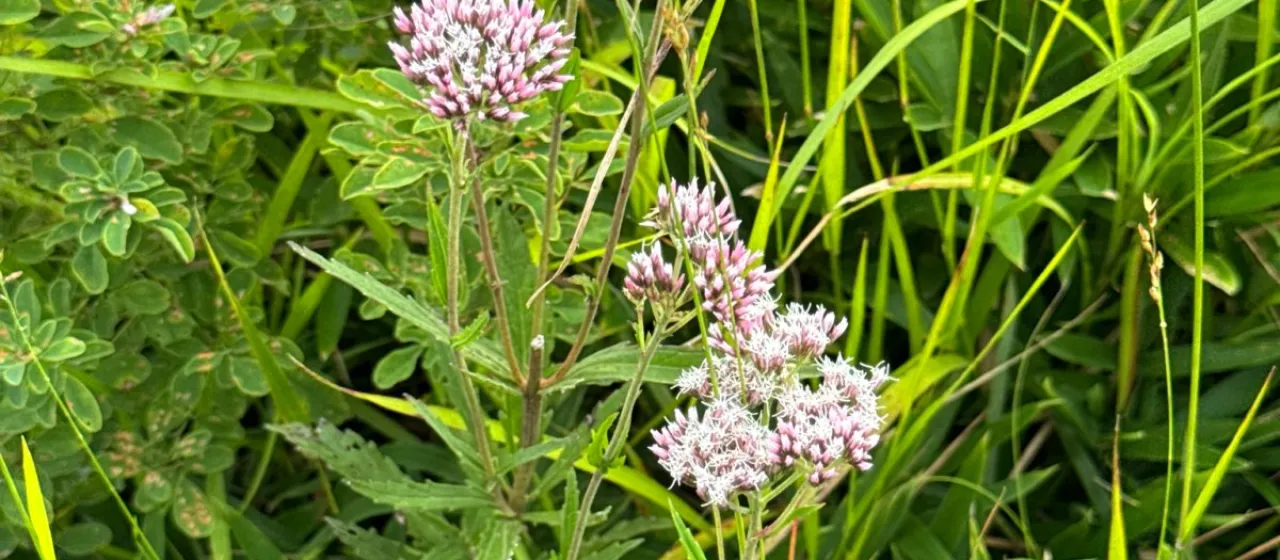
Botanically, it is characterized by an erect stem that can reach heights of up to one meter, adorned with opposite, serrated lanceolate leaves. The plant produces delicate tubular florets arranged in dense corymbose clusters, which are visually striking and indicative of its membership in the eupatorium genus.
Successful cultivation requires meticulous attention to environmental conditions. It demands rich, high-humus, and well-watered soils. Agronomic practices should prioritize maintaining stable soil moisture levels, as the plant is sensitive to drought stress. Periodic fertilization with nitrogenous and potassium-based nutrients is recommended during the peak growth phase to maximize biomass production.
The agricultural and economic utility of the crop is multifaceted:
- Extraction of bioactive compounds for the pharmaceutical and nutraceutical industries.
- Use in ornamental horticulture, particularly for establishing rain gardens or wet borders.
- Application in traditional medicine for its reported anti-inflammatory and febrile-reducing properties.
The culture is susceptible to various phytopathogens, particularly powdery mildew, which is exacerbated by poor air circulation and high humidity. Common pests include aphids and mites, which can significantly damage leaf tissues. Effective management involves integrated pest management (IPM) strategies, including site selection, proper spacing, and the application of appropriate biological or chemical controls when necessary.
Photo gallery