Description
Glandular-green spurge (Euphorbia adenochlora) is a perennial herbaceous plant belonging to the diverse Euphorbiaceae family. Like other species in this genus, it is well-recognized for its milky latex which serves as a chemical defense mechanism against herbivores and pathogens.
The plant originates from the temperate regions of East Asia, with a native range extending across the Russian Far East, China, Korea, and Japan. It is typically found in mesic habitats, including wet meadows, forest edges, and riparian zones, where it thrives in competitive herbaceous environments.
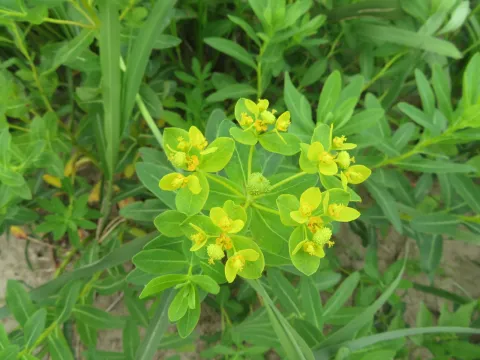
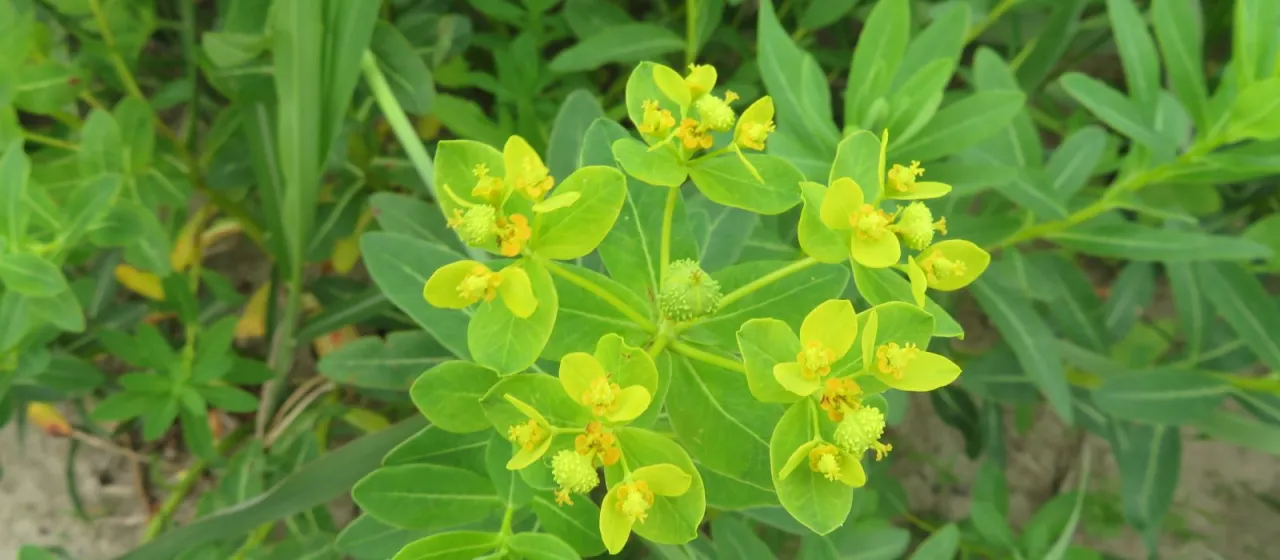
Botanically, Euphorbia adenochlora is characterized by erect stems that reach heights between 40 and 70 centimeters. The leaves are typically alternate, lanceolate, and sessile. The inflorescence consists of cyathia—a specialized cup-like structure characteristic of the genus—arranged in terminal umbel-like groupings that display distinctive yellowish-green glands.
Regarding cultivation requirements, the species demands consistent soil moisture and moderate exposure to sunlight. It performs best in nutrient-rich, loose, and slightly acidic to neutral soils. In an agricultural or garden context, it is crucial to avoid complete soil desiccation during the peak of the summer, as the plant is not adapted to drought conditions.
While not a traditional industrial crop, the plant holds significant value in botanical research and as a potential source for phytochemical study. Its management requires attention to common phytosanitary issues to ensure healthy growth. Key challenges include:
- Aphid infestations on tender apical shoots.
- Root rot caused by poor soil drainage.
- Powdery mildew under high humidity and poor air circulation.
- Spider mite outbreaks in dry, sheltered conditions.
Photo gallery