Description
Euphorbia aeruginosa is a distinct species of perennial succulent shrub belonging to the Euphorbiaceae family. Renowned among collectors for its vibrant, copper-tinted stems and contrasting sharp spines, this plant is a staple for enthusiasts who appreciate desert-adapted botanical specimens.
Native to the arid regions of Southern Africa, Euphorbia aeruginosa has adapted to survive in harsh, rocky terrains with minimal water availability. In cultivation, it is widely utilized as a decorative houseplant, thriving in containers where its growth habit and unique coloration can be showcased.
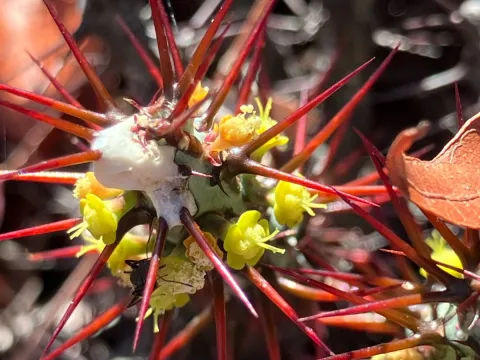
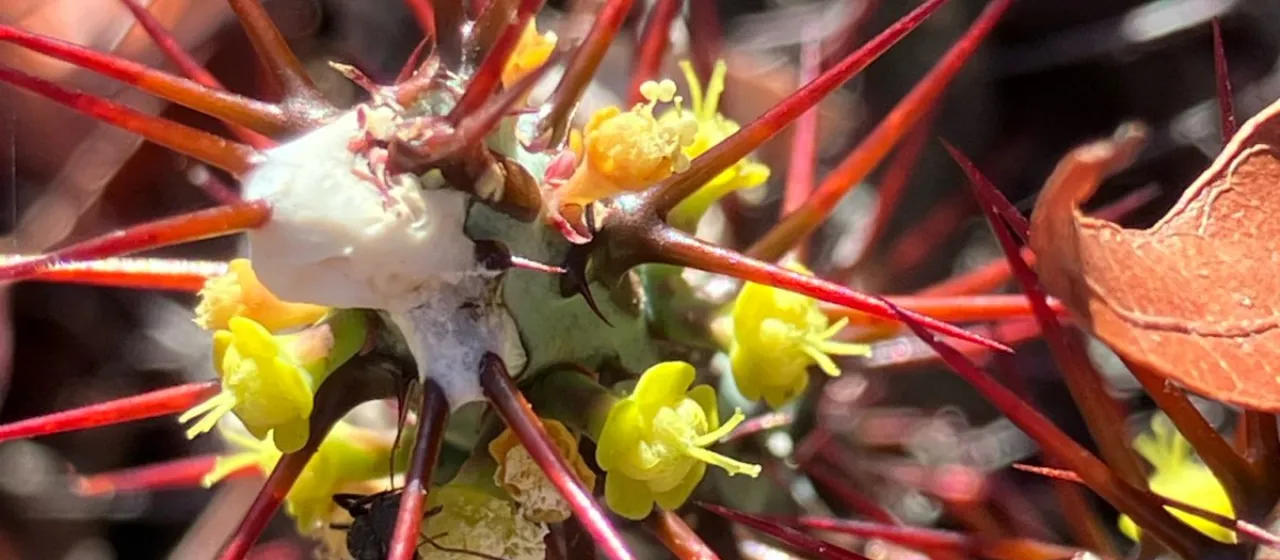
Botanically, the plant features segmented, four-angled stems that form a dense, branching structure. Like other members of the genus, it contains a milky, toxic latex sap that protects it from herbivores. Small, bright yellow cyathia appear during the flowering season, providing a delicate contrast to the reddish-brown armature.
Successful agrotechnical practices for this plant rely on strict adherence to moisture management. It requires a highly permeable, gritty soil mix to ensure rapid drainage. Overwatering is the most common cause of failure in cultivation, as excessive moisture leads rapidly to root rot, which is fatal to this succulent.
The plant is primarily used in interior landscaping and decorative gardening. While relatively resilient, it can be susceptible to common pests such as mealybugs and spider mites. Regular inspections and maintaining a dry, well-ventilated environment are the best preventative measures against disease and infestations.
Photo gallery