
Description
Aleppo spurge (Euphorbia aleppica) is an annual herbaceous plant belonging to the Euphorbiaceae family. In agricultural practices, this crop is recognized for its high resistance to arid environments and the presence of unique bioactive compounds within its tissues, making it a subject of agricultural and pharmacological interest.
The plant originates from the Mediterranean region and Western Asia. Its natural habitat includes rocky slopes and open grasslands. In cultivation, it has adapted to dry and semi-arid climates, thriving in areas where soil moisture is limited and temperature fluctuations are significant throughout the growing season.
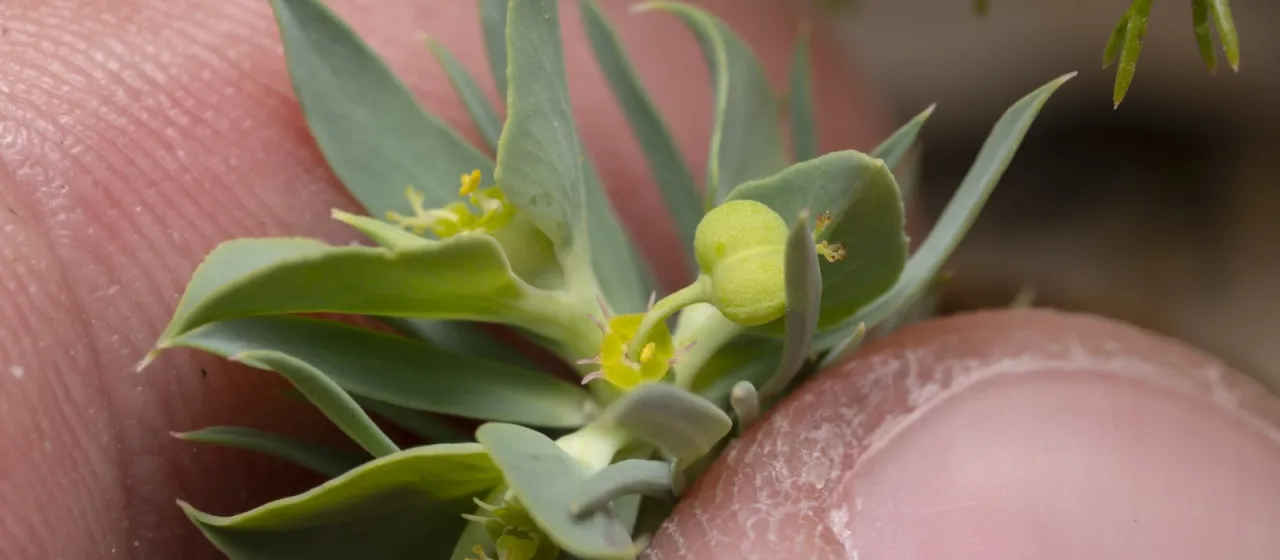
Botanically, the plant is characterized by a slender, erect stem reaching up to 40 cm in height, bearing narrow leaves. A distinguishing feature of Euphorbia aleppica is the production of white, milky latex, which acts as a deterrent against herbivores and facilitates the plant's survival in harsh environmental conditions.
Regarding agrotechnology, the crop requires full sun exposure and well-drained, alkaline or neutral soils. Excessive irrigation can lead to root rot, so careful water management is essential. The seeding process must account for adequate spacing to prevent excessive competition for light and nutrients among the individual plants.
The economic value of Aleppo spurge lies primarily in its use for medicinal purposes and as a source of specific secondary metabolites. Potential pests include aphids, while common diseases involve fungal pathogens like powdery mildew, which can be managed through crop rotation and proper plant density strategies.