Description
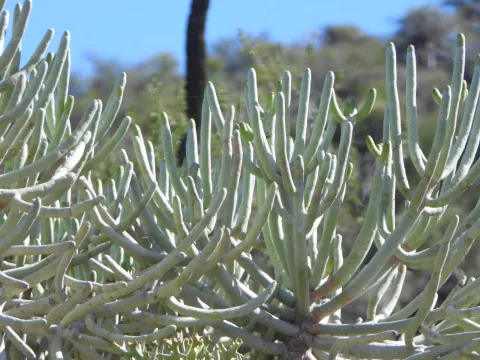
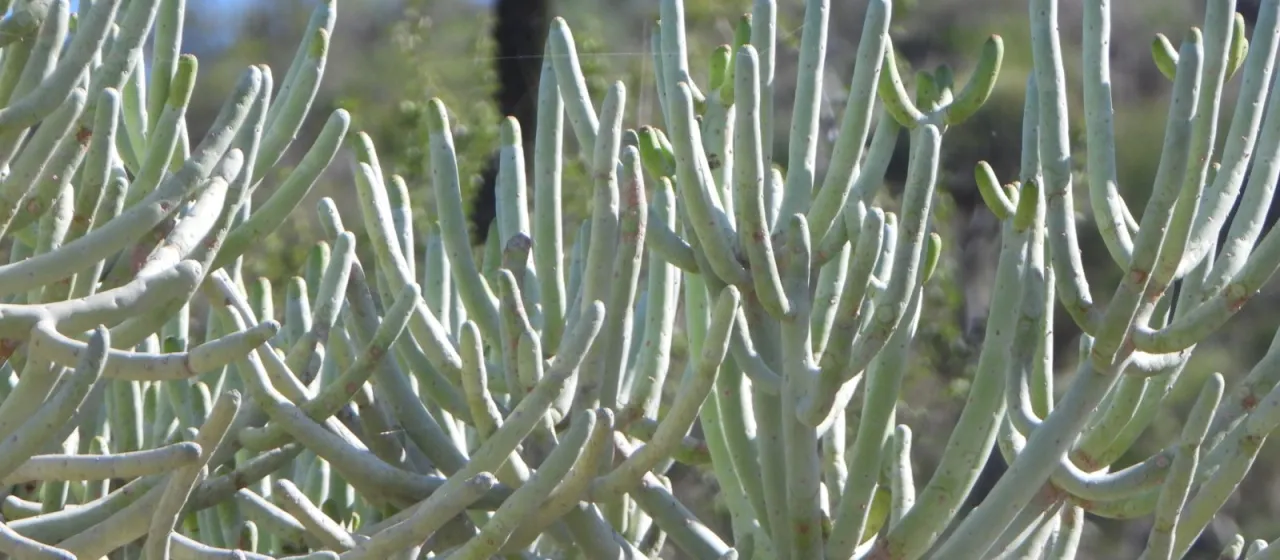
Euphorbia alluaudii is a succulent perennial plant belonging to the Euphorbiaceae family. This species is widely recognized for its unique, leafless, and segmented stems that resemble a cluster of bright green sticks, making it a highly desirable specimen for modern botanical collections.
Native to Madagascar, this plant has evolved to thrive in arid and rocky habitats. This geographical origin dictates its preference for well-draining mineral-based soils and high light exposure, reflecting the environmental conditions of its natural ecosystem in the wild.
Botanically, the plant is characterized by its succulent stems, which act as the primary photosynthetic organs due to the reduction of leaves. Euphorbia alluaudii exhibits a branching growth pattern and can form dense shrub-like structures. Its resilient nature allows it to withstand significant periods of drought, storing water within its specialized stem tissues.
Key agronomic requirements for cultivation include:
- A porous, sandy potting mix with excellent drainage properties.
- Exposure to bright, indirect sunlight to prevent stretching (etiolation).
- Strict adherence to a "soak and dry" watering method to prevent root rot.
- Protection from frost, as the plant prefers temperatures above 15°C (60°F).
In terms of economic and practical use, it serves primarily as an ornamental plant in the landscaping and indoor decorative industries. Its architectural form makes it a focal point in xeriscaping or modern interior designs. Owners must handle the plant with care, as the milky sap produced by the stems can cause skin and eye irritation if touched.
Regarding health management, the plant is susceptible to common succulent pests such as mealybugs and spider mites, particularly in environments with poor air circulation. Overwatering remains the most critical threat, leading to bacterial and fungal rot of the root system. Providing a dry, well-ventilated environment is the most effective preventative measure.
Photo gallery