Description
Angular spurge (Euphorbia angulata) is a herbaceous perennial plant belonging to the Euphorbiaceae family. It is recognized for its unique physiological adaptation, characterized by the production of a complex milky latex that serves as a chemical defense mechanism. This species is of particular interest to both botanists studying the diversity of the genus Euphorbia and gardeners looking for hardy perennial foliage.
The native range of this plant is primarily situated within Central and Eastern Europe. It typically thrives in deciduous forests and shaded margins, indicating a preference for stable humidity levels and protected microclimates. Due to its evolutionary history, the plant has developed a high level of tolerance to varying light conditions, ranging from semi-shaded understories to spots with dappled sunlight.
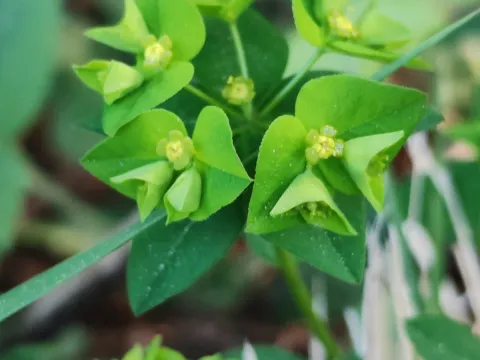
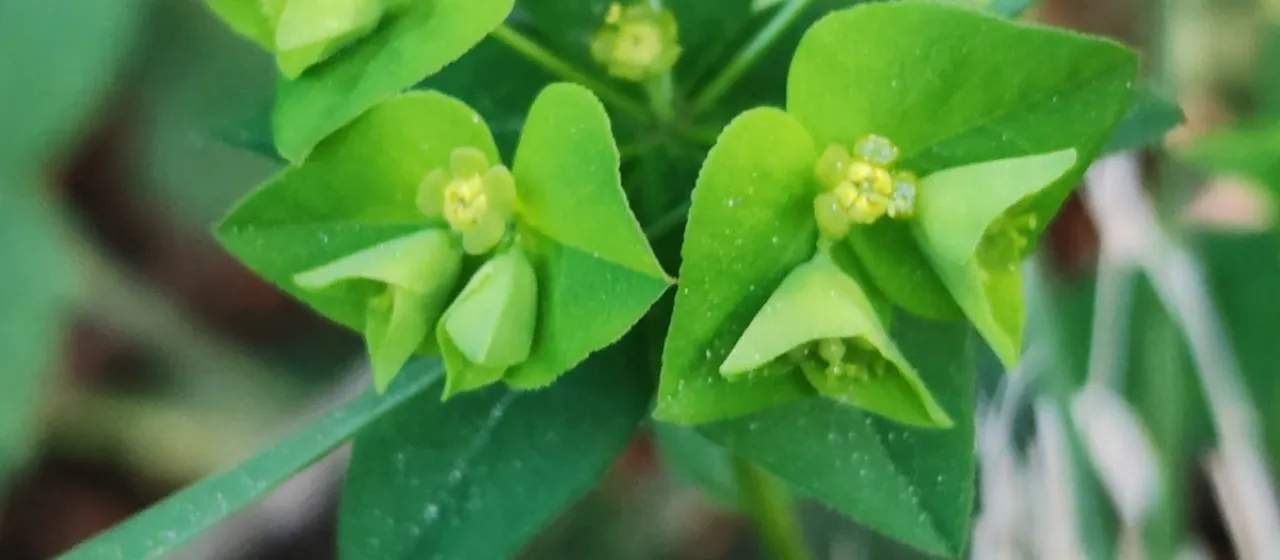
Botanically, the species is distinguished by its angular stems, which give rise to its common and scientific names. The plant typically reaches a height of 30 to 60 centimeters. Its foliage is composed of simple, alternate leaves, while the reproductive structure consists of specialized cyathia—a hallmark of the spurge family—which are surrounded by conspicuous, yellowish-green bracts during the spring blooming phase.
In terms of agricultural and horticultural requirements, angular spurge prefers rich, loamy soils with excellent drainage properties. It is highly sensitive to waterlogged conditions, which can lead to fungal issues. During cultivation, it is essential to maintain a consistent moisture level while ensuring that the root system remains well-aerated. Organic fertilizers should be applied sparingly in the early spring to promote vegetative vigor.
The primary utility of the plant lies in landscaping, particularly for woodland gardens and shaded borders where other perennials might struggle. Regarding pests and diseases, the plant is generally robust, although it can occasionally be attacked by aphids or spider mites during hot, dry spells. Effective management involves early detection and the use of appropriate horticultural soaps or biological control agents if an infestation occurs.
Photo gallery