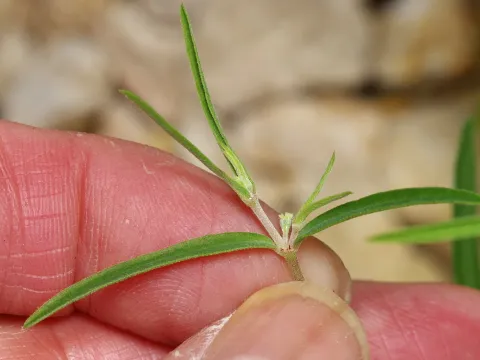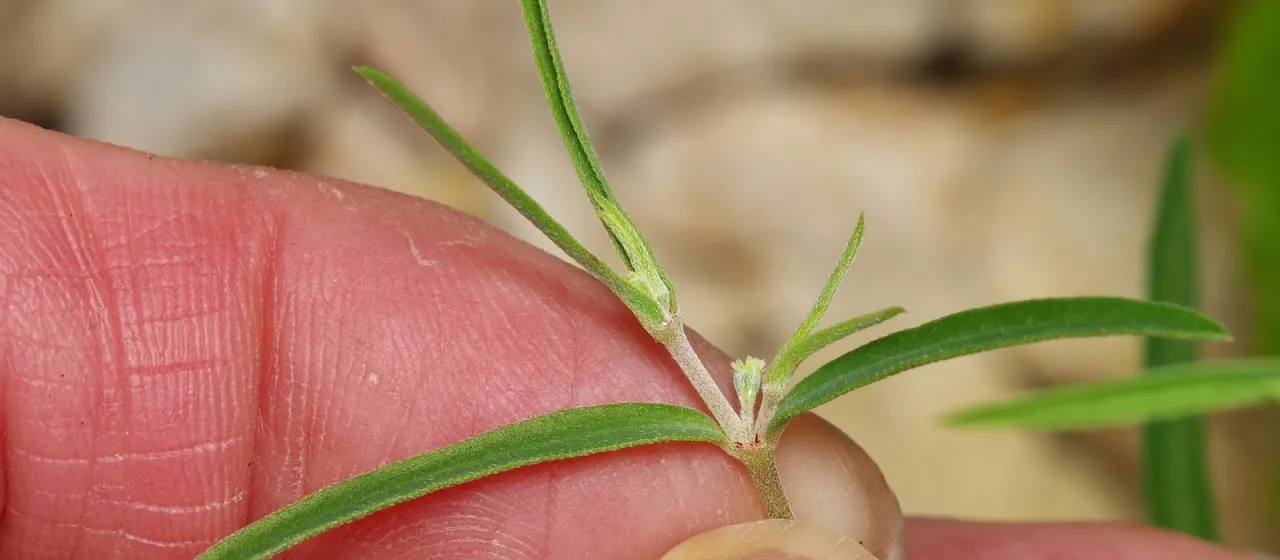
Description
Euphorbia angusta is a perennial succulent plant belonging to the diverse Euphorbiaceae family. This species is recognized for its slender, grass-like foliage and architectural form, which make it a distinct representative of the Euphorbia genus within arid-adapted flora.
The plant originates from the arid regions of Southern Africa, where it thrives in rocky terrain and nutrient-poor soils. Its native environment is characterized by significant seasonal variations in precipitation, driving the plant to develop specialized water-storage mechanisms within its tissues for long-term survival.
Botanically, the species is defined by its compact growth habit and narrow leaves. Like other Euphorbias, it contains a milky latex that acts as a natural chemical defense against herbivores. The root system is robust and deep, allowing the plant to stabilize itself and extract moisture from challenging substrates.
Cultivation requires specific conditions to ensure plant health: high-drainage, sandy-based soils are mandatory to prevent root rot, which is the most common cause of failure in agricultural and hobbyist settings. It thrives in full sunlight and requires a well-ventilated space to prevent fungal growth on the foliage.
In terms of хозяйственное (economic) use, Euphorbia angusta is primarily cultivated for ornamental purposes in rock gardens, xeriscaping, and botanical collections. Maintenance is relatively low but requires vigilance against pests such as aphids or mealybugs. Proper management focuses on moisture control and ensuring the soil medium provides adequate aeration for root development throughout the growing season.
Photo gallery