Description
Euphorbia antiquorum is a prominent perennial succulent species belonging to the Euphorbiaceae family. Often mistaken for a cactus due to its thick, ribbed, and succulent stems, this plant represents a specialized evolutionary path within the Euphorbia genus. It is highly valued for its structural aesthetic and its remarkable physiological adaptations to arid environments.
Originating from the tropical regions of India and Southeast Asia, this species has adapted to survive in harsh, rocky terrains where water availability is highly seasonal. The plant's natural range allows it to thrive in high-heat environments with intense solar radiation, making it an excellent candidate for agricultural projects in arid zones where standard crop production is unfeasible.
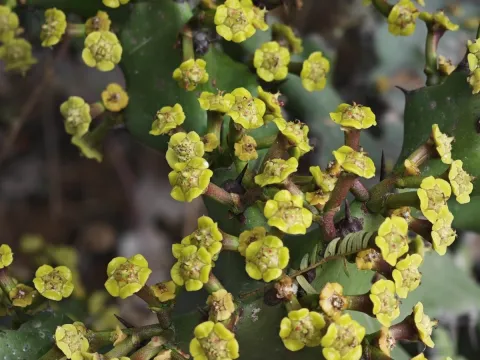
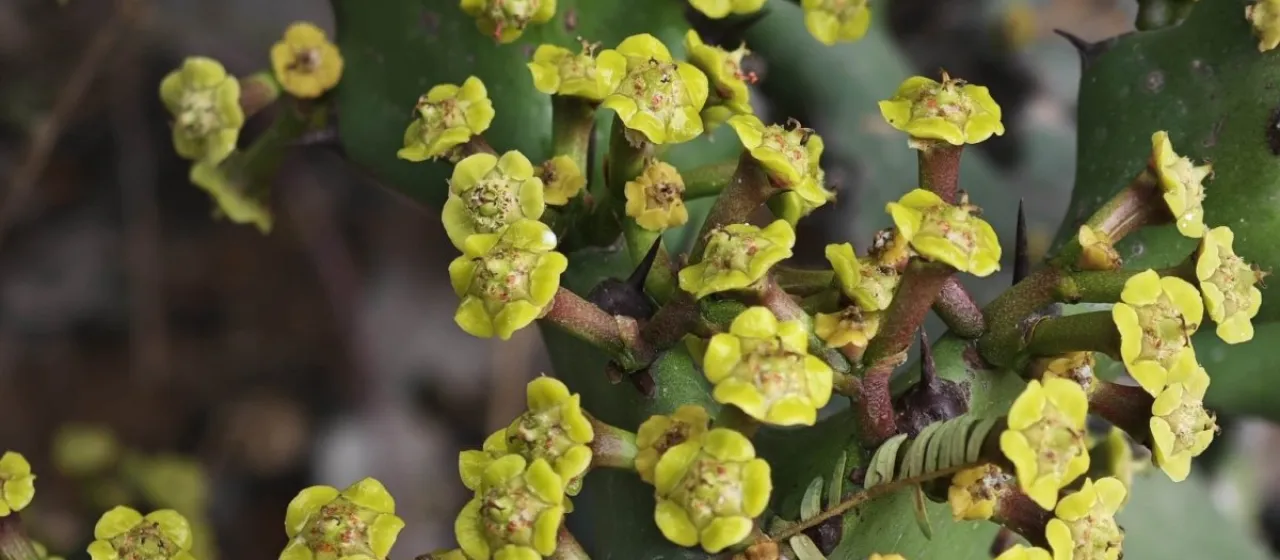
Botanically, Euphorbia antiquorum is characterized by a vigorous, branching growth habit, with mature specimens often reaching significant heights. The plant features vestigial leaves that drop quickly, leaving the succulent green stems to handle the majority of photosynthesis. A critical feature is the copious, milky latex contained within the plant tissues, which serves as a chemical defense mechanism against pathogens and herbivory.
Agrotechnical management of this culture focuses on soil composition and water management. It requires a substrate that provides rapid drainage, typically composed of sandy soil, gravel, or inorganic pumice. Overwatering is the primary cause of decline, as the roots are highly susceptible to rot in stagnant moisture. In a cultivation setting, providing bright, direct sunlight is essential for maintaining the structural integrity and health of the plant.
Economic and practical uses of Euphorbia antiquorum include:
- Utilization in xeriscaping to reduce irrigation needs in public and private landscapes.
- Implementation as natural barrier hedges in rural areas to deter livestock.
- Potential research in biochemical applications due to the bioactive properties of the latex.
- Ornamental value in botanical gardens and specialized nursery trade.
Regarding plant health, the species is generally resilient but prone to issues if humidity levels are not controlled. Root rot caused by fungal pathogens is the most significant threat, often exacerbated by poor soil aeration. Insect pests, including mealybugs and spider mites, are common challenges that require consistent monitoring and occasional application of specialized insecticides to prevent systemic damage to the succulent stems.
Photo gallery