Description
Candelilla (botanical name: Euphorbia antisyphilitica) is a perennial succulent shrub belonging to the Euphorbiaceae family. This species is widely recognized for its high content of specialized wax, which covers its stems to prevent moisture loss in extremely arid environments. It is a vital crop for desert agriculture in its native regions.
The plant originates from the Chihuahuan Desert, spanning parts of northern Mexico and the southwestern United States (Texas). It thrives in harsh, semi-arid climates characterized by poor soil quality, intense solar radiation, and minimal annual rainfall, making it a model organism for sustainable dryland farming.
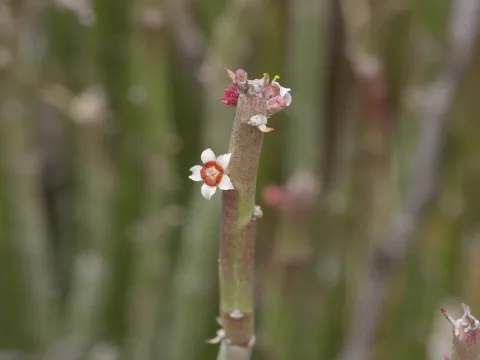
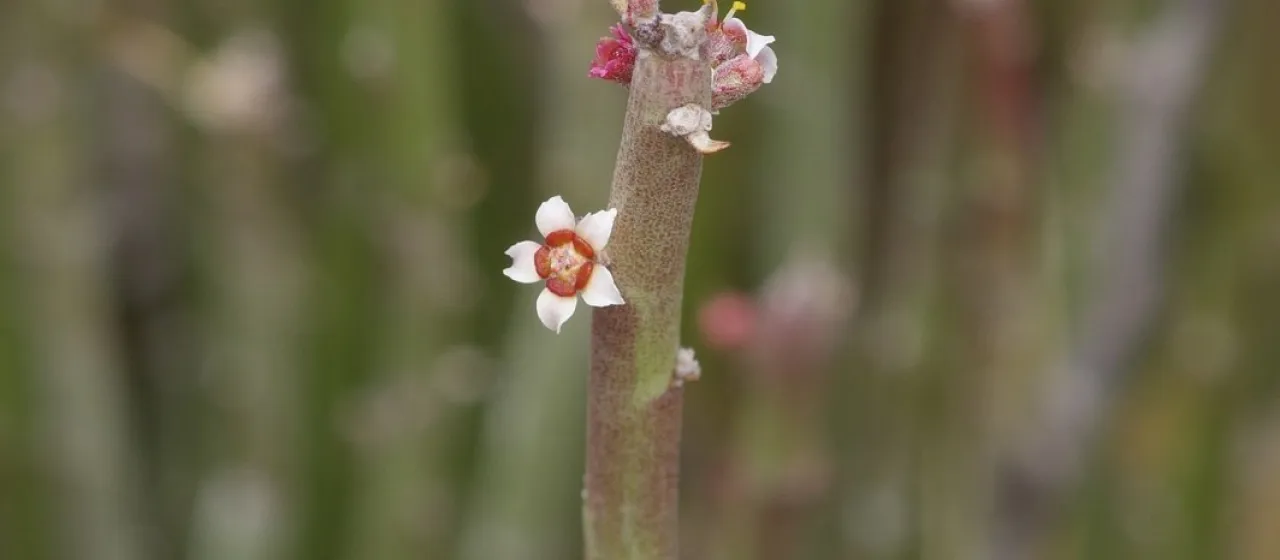
Botanically, Candelilla is distinguished by its leafless, reed-like stems that perform photosynthesis. The stems are covered with a thick cuticle of wax. In its natural habitat, it forms dense colonies, growing from a robust root system that helps anchor the plant in loose, rocky, and mineral-deficient soils.
Cultivation requires conditions that mimic its wild habitat. Farmers must prioritize excellent soil drainage, as high humidity and water accumulation are lethal to the root system. Planting is typically conducted in full sun, and the crop demonstrates remarkable resilience to heat stress, though it requires patience as the establishment phase is relatively slow compared to common agricultural crops.
The primary economic output of Euphorbia antisyphilitica is the production of Candelilla wax. The extraction process involves boiling the stems in water, often acidified to facilitate the release of the wax, which is then skimmed off and processed. Its versatile applications include:
- The cosmetics industry for lipsticks, balms, and skincare;
- Food manufacturing as a vegan glazing agent (E902);
- Pharmaceuticals for tablet coatings;
- High-end polishes, lubricants, and paper coatings.
The main agronomic challenges involve fungal diseases occurring when irrigation management is faulty, specifically root and stem rot. Furthermore, pests like mealybugs can pose a threat to plant vigor. Successful management relies on maintaining low humidity, providing adequate spacing for airflow, and implementing integrated pest management strategies to protect the integrity of the wax-producing stems.
Photo gallery