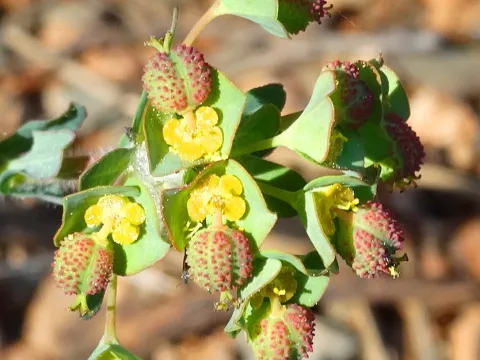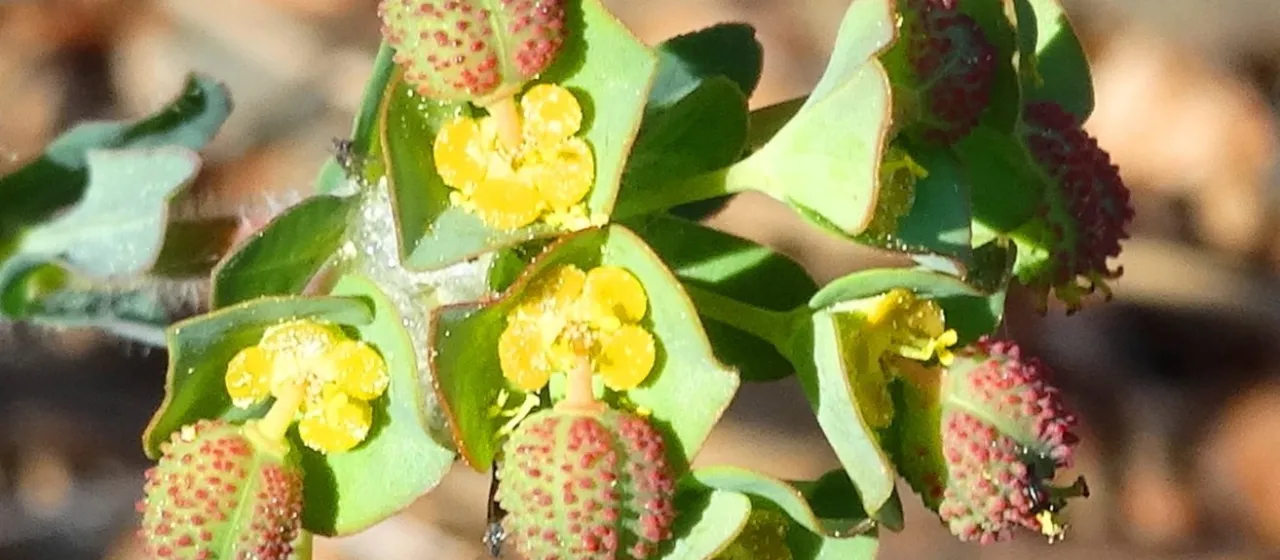
Description
Euphorbia apios is a perennial herbaceous plant belonging to the Euphorbiaceae family. In agronomic and horticultural contexts, this species is noted for its unique morphological structure and its ability to thrive in harsh, nutrient-poor environments, making it a subject of interest for dryland landscaping and specialty plant production.
The native range of this plant encompasses the Mediterranean Basin, specifically extending across the Balkans and parts of the Greek islands. It typically inhabits rocky terrains, slopes, and open, sun-exposed meadows. This evolutionary history has equipped the species with high levels of tolerance to Mediterranean climatic stress, including prolonged summer droughts.
Botanically, Euphorbia apios is defined by its tuberous, fleshy rootstock, which functions as a storage organ. The stems are typically erect and compact, covered with narrow foliage. As with other members of the Euphorbia genus, the plant produces a toxic latex that acts as a primary chemical defense mechanism against grazing animals and various insects.
Cultivation requirements for this crop focus on soil structure and drainage. It performs best in well-aerated, rocky, or sandy alkaline soils. Water management is critical; excessive moisture is the primary cause of plant failure, often leading to rapid root decay. Full sun exposure is essential for maintaining the plant's structural integrity and preventing etiolation.
Agricultural management of Euphorbia apios involves minimal intervention. Pest monitoring for spider mites and aphids is recommended during the active growth phase. Disease management relies heavily on preventative measures such as maintaining optimal soil drainage and air circulation to prevent the onset of fungal pathogens like powdery mildew or root rots.
Photo gallery