Description
Euphorbia avasmontana is a remarkable tree-like succulent belonging to the Euphorbiaceae family. It is widely recognized for its robust, candelabra-like growth habit and its ability to thrive in extremely arid environments. In agricultural and horticultural practices, it is classified as a specialized crop adapted to harsh, water-scarce landscapes.
The species is native to the dry regions of Southern Africa, particularly Namibia. Its natural distribution is characterized by rocky outcrops and arid slopes where it has evolved to withstand high temperatures and long periods of drought. Cultivation attempts must replicate these specific environmental conditions to ensure the healthy development of the plant.
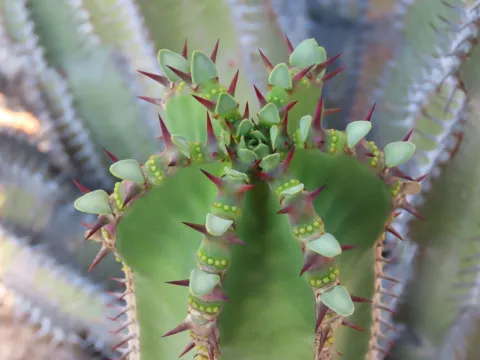
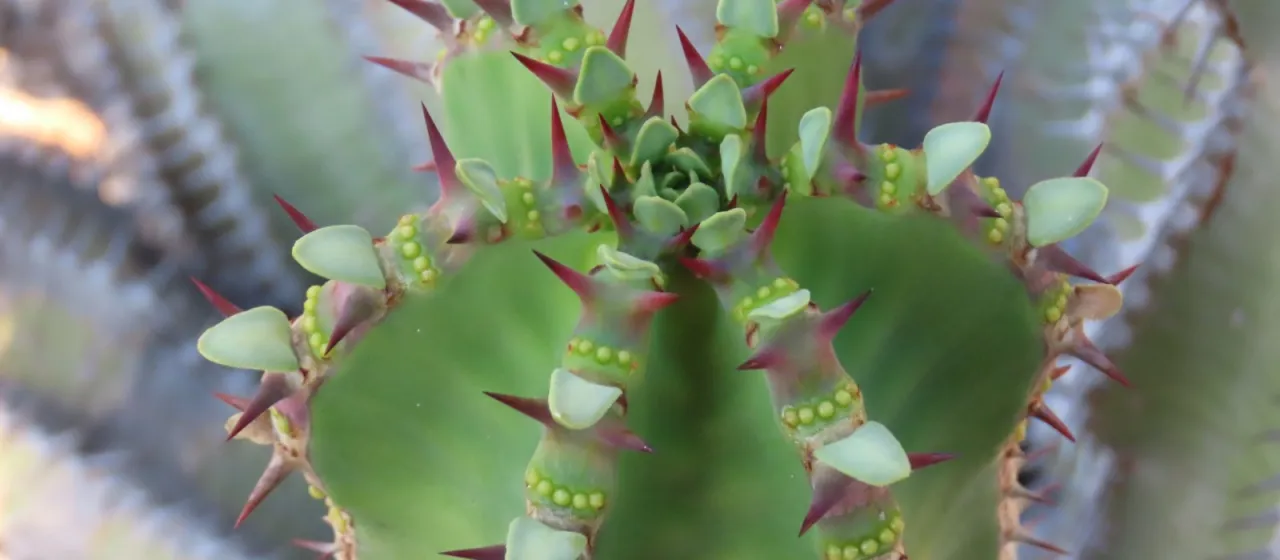
Botanically, the plant features fleshy, ribbed stems armed with sharp spines. These physical adaptations allow for efficient water storage and provide defense against herbivores. A significant biological characteristic is the presence of a caustic, milky latex within the tissues, which acts as a powerful deterrent against most common agricultural pests and diseases.
Agronomic requirements for Euphorbia avasmontana include high solar irradiance and exceptionally well-draining, gritty soil. Waterlogging is the primary risk factor, as it leads to rapid decay of the root system. Proper management involves minimal irrigation during the active growth phase and absolute dormancy during the cooler months, ensuring the plant remains dry to prevent fungal infections.
The primary economic use of this plant is found in landscape architecture for arid climates and in specialized botanical collections. There is also ongoing interest in the biochemical profile of the species, as Euphorbia latex often contains compounds with potential pharmaceutical applications. By adhering to strict cultivation protocols, it serves as a resilient and visually striking feature in xeriscape projects.
- Requires full sun exposure for optimal growth.
- Extremely drought-tolerant biological structure.
- Susceptible to root rot if overwatered.
- Low maintenance in appropriate climate zones.
Photo gallery