Description
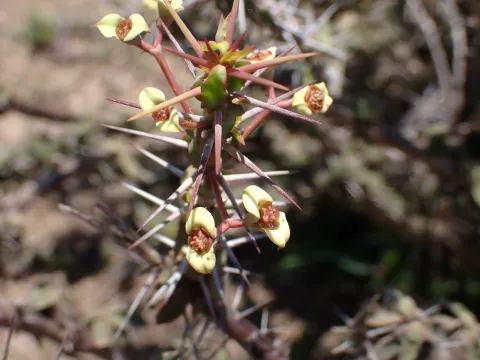
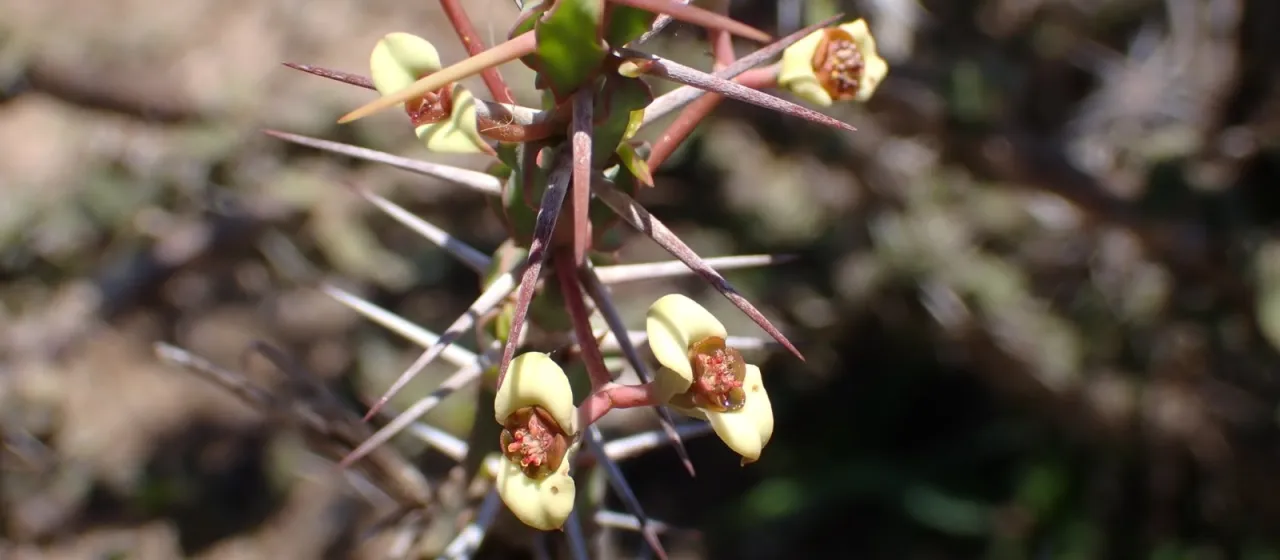
Euphorbia beharensis is a unique succulent species belonging to the Euphorbiaceae family. In the botanical community, this plant is highly prized for its bizarre, contorted growth habit, which features intricate, thorny, and zigzagging stems that make it a standout specimen among xerophytic flora.
The native habitat of this species is found on the island of Madagascar, specifically in the arid southern regions near Behara. Over time, the plant has adapted to extreme thermal fluctuations and severe drought conditions, developing a robust root system and the ability to store significant water reserves within its succulent stems.
Botanically, it appears as a peculiar shrub with wrinkled, wavy-edged leaves. These leaves are relatively sparse and may drop during periods of extreme environmental stress or drought, exposing the stem structure. Like all members of its family, the plant secretes a milky latex, which acts as a defense mechanism against herbivores.
The agricultural requirements for this species are strict: it thrives in sandy, well-draining substrates and demands high light intensity. Irrigation should be managed carefully, with moderate watering during the growing season and significant reduction in winter to prevent root rot, which is the most common cause of failure in cultivation.
Commercially, Euphorbia beharensis is primarily utilized in ornamental horticulture and specialized succulent collections. Due to its slow growth rate and specific environmental needs, it is typically cultivated in greenhouses, conservatories, or as an exclusive interior ornamental plant for enthusiasts.
- Excellent soil drainage is essential.
- Handle with care: the milky sap is toxic and irritating.
- Requires bright, direct sunlight to maintain compact form.
- Winter temperatures should remain above 12-15 degrees Celsius.
Photo gallery