Description
Euphorbia bracteata is a perennial succulent shrub belonging to the diverse Euphorbiaceae family. This species is recognized for its unique structural appeal and its role as an ornamental plant in specialized gardening and botanical collections.
Native to Mexico, this plant is well-adapted to environments with distinct dry and rainy seasons. In agricultural and horticultural practices, it is cultivated primarily in warm climates or within controlled environments like greenhouses and conservatories, as it cannot withstand frost.
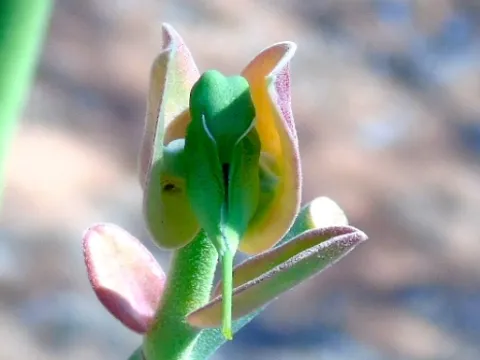
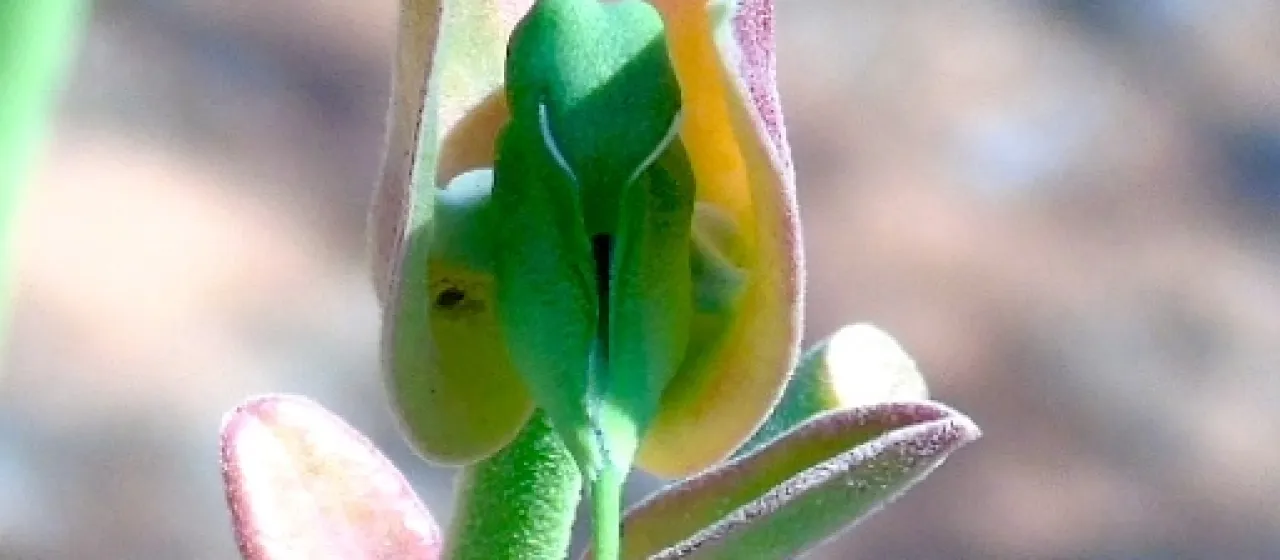
Botanically, the plant features semi-succulent stems and distinctively colored bracts that provide its primary aesthetic value. The foliage is typically sparse to conserve water, and the plant has developed robust mechanisms to endure prolonged dry spells, which are characteristic of its native tropical dry forests.
Successful cultivation of Euphorbia bracteata relies on providing high light intensity and precise water management. The soil must be highly porous, consisting of sandy or rocky substrate to ensure excellent drainage. Overwatering is the most common cause of failure in agricultural settings, as it quickly leads to root rot.
While primarily used for ornamental purposes, the species requires careful handling due to its toxic, milky latex sap, which can cause skin and eye irritation. Pest management strategies focus on monitoring for common succulent pests, such as mealybugs and spider mites, which can be mitigated through integrated pest management practices and proper ventilation.
Photo gallery