Description
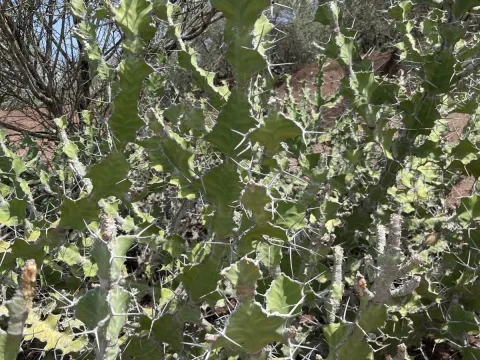
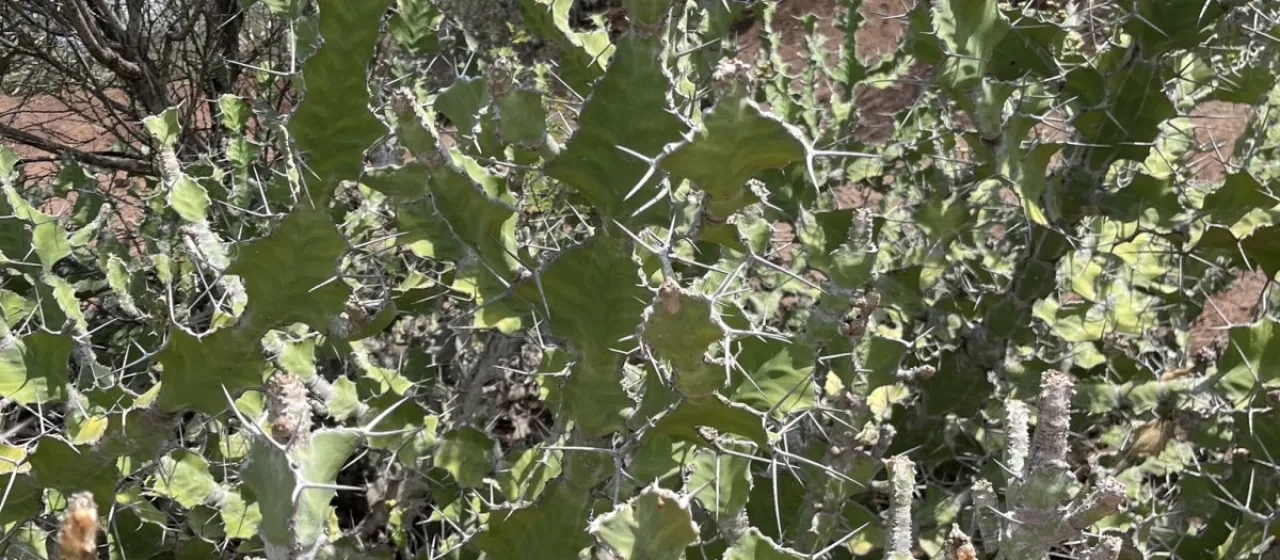
Euphorbia breviarticulata is a distinctive succulent species belonging to the Euphorbiaceae family. Renowned for its architectural beauty, this plant develops a branched, candelabra-like structure characterized by segments of short, stout, and spiny stems. It is a classic representative of the xerophytic vegetation adapted to thrive in harsh environments.
The origin of this species is traced back to the arid landscapes of East Africa, particularly regions within Ethiopia. It has evolved to survive in semi-desert climates where high evaporation rates and irregular rainfall patterns prevail. Its geographic distribution is strictly linked to rocky, sun-drenched terrains where soil moisture is ephemeral.
From a botanical perspective, the plant is identified by its segmented, ribbed stems adorned with sharp stipular spines. These structures are not merely defensive; they function as a mechanism to dissipate heat and minimize moisture loss. The plant also produces a thick, milky latex that acts as a natural deterrent against herbivores and facilitates the healing of physical injuries.
Cultivation requirements for Euphorbia breviarticulata emphasize the necessity of well-draining, mineral-rich soils. The plant requires maximum solar exposure to prevent etiolation and maintain its structural integrity. Watering must be sparse, with a complete cessation during the dormancy period to ensure that the root system remains healthy and free from pathogen-induced rot.
In terms of practical utility, the species is primarily valued in decorative horticulture and arid-land gardening. It serves as an excellent candidate for xeriscaping, where water conservation is a priority. Additionally, its resilient nature makes it a favored specimen for enthusiasts of rare succulents, though maintenance requires caution due to the irritant nature of its sap.
- Requires excellent drainage to prevent root rot.
- Thrives in high-light environments with full sun.
- Avoid exposure to freezing temperatures.
- Handle with care due to toxic milky sap.
Photo gallery