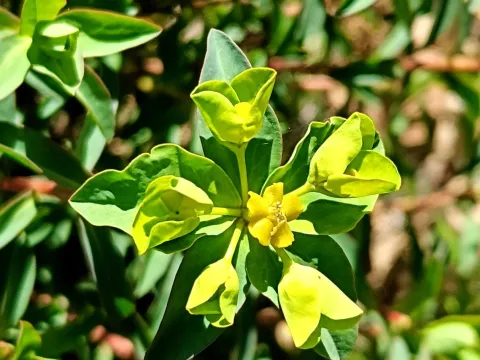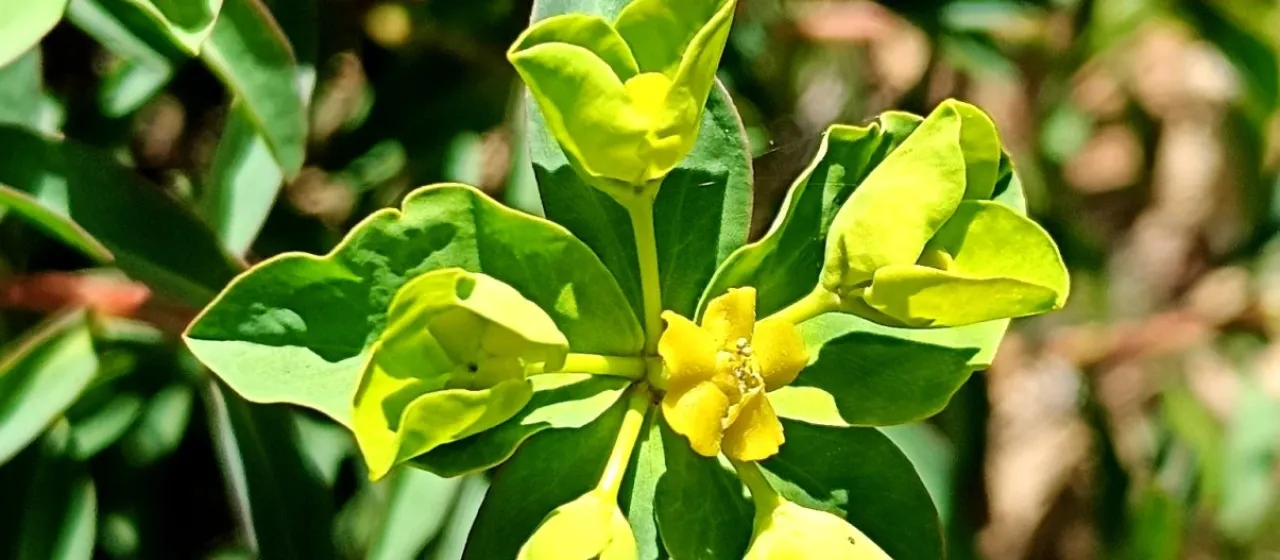
Description
Euphorbia clementei is a distinct succulent species belonging to the Euphorbiaceae family. This plant is recognized for its unique morphological structure, which serves as a biological adaptation to the arid climates found in its native geographical regions, primarily within Mexico.
The plant originates from rocky, semi-desert terrains, where it thrives on steep slopes with minimal topsoil. Its natural habitat is characterized by intense sunlight and long-lasting droughts, forcing the species to develop a specialized metabolism that maximizes water retention and minimizes cellular dehydration.
Botanically, Euphorbia clementei is defined by its succulent, ribbed stem architecture that stores vital water reserves. Its surface is typically protected by a waxy cuticle, which reduces transpiration. The root system is shallow but highly efficient at absorbing sparse moisture before it evaporates from the rocky ground.
In terms of cultivation, this species requires specialized agricultural practices focusing on perfect drainage and high-intensity lighting. Soils should be predominantly mineral-based, consisting of coarse sand, pumice, or gravel. Overwatering is the primary cause of plant failure, making precise irrigation management essential during the dormant period.
This species is predominantly used in ornamental horticulture and botanical research regarding xerophytic plant resilience. It serves as a valued specimen in desert-themed landscape design and indoor collections. Typical pest issues include mealybugs and spider mites, which can be mitigated through good air circulation and appropriate hygiene protocols.
- Excellent drought tolerance
- Full sun requirements
- Strict drainage necessity
- Avoidance of winter moisture
- Compact growth habit
Photo gallery