
Description
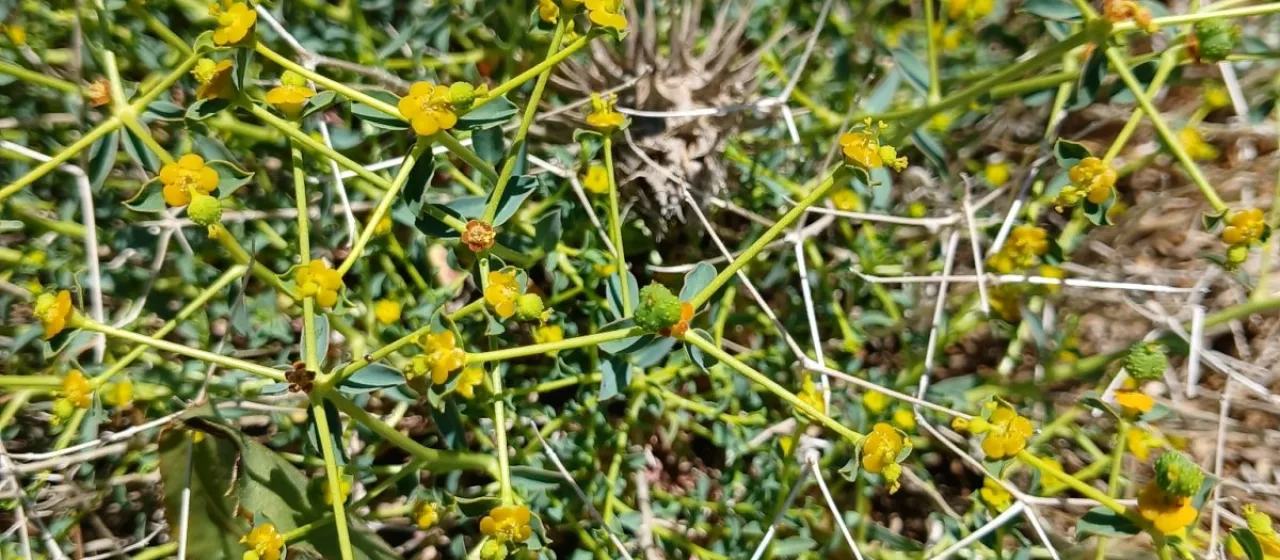
Hedgehog Euphorbia (Euphorbia erinacea) is a perennial succulent species belonging to the large and diverse Euphorbiaceae family. It is widely recognized for its distinctive, dense, cushion-like growth habit, which creates a spherical, spiny structure highly adapted to harsh, arid environments.
The species is endemic to the arid mountainous regions of Morocco, specifically the Atlas Mountains. Its natural habitat consists of rocky slopes and high-altitude plateaus, where the plant thrives despite extreme temperature fluctuations, high solar radiation, and limited rainfall. These environmental pressures have shaped its unique physiological adaptations for water retention.
Botanically, the plant is defined by its densely branched, spiny stems that form a compact, hemispherical mound. During the growing season, it produces small, characteristic cyathia inflorescences. Like many members of the genus, it produces a milky latex sap, which serves as a chemical defense mechanism against herbivores and pathogens in the wild.
Successful cultivation requires strict adherence to specific horticultural practices, as the plant is sensitive to moisture imbalances:
- A highly porous and well-draining substrate composed primarily of mineral grit, sand, and pumice.
- Full, intense sun exposure is necessary to maintain the plant's natural compact shape and prevent etiolation.
- A cautious watering regime, emphasizing a complete dry-out period between waterings to prevent root rot.
- A cool, dry winter dormancy period to stimulate healthy spring growth.
In terms of economic and practical use, Euphorbia erinacea is primarily valued in ornamental horticulture and the niche market of succulent collecting. It is frequently employed in xeriscaping, rock gardens, and glasshouse displays that simulate desert ecosystems. Its structural form makes it a highly sought-after specimen for hobbyists interested in rare and architectural succulent species.
The primary phytosanitary risks involve root rot caused by improper drainage or excessive humidity, which are lethal to this species. Pests such as mealybugs and spider mites are common concerns; however, they can usually be managed through physical inspection and the application of appropriate systemic insecticides. Maintaining good airflow is the most effective preventative measure against both fungal issues and pest outbreaks.