Description
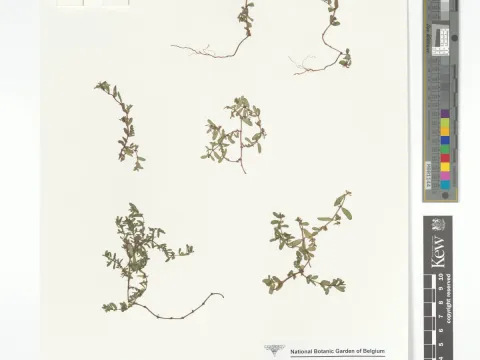
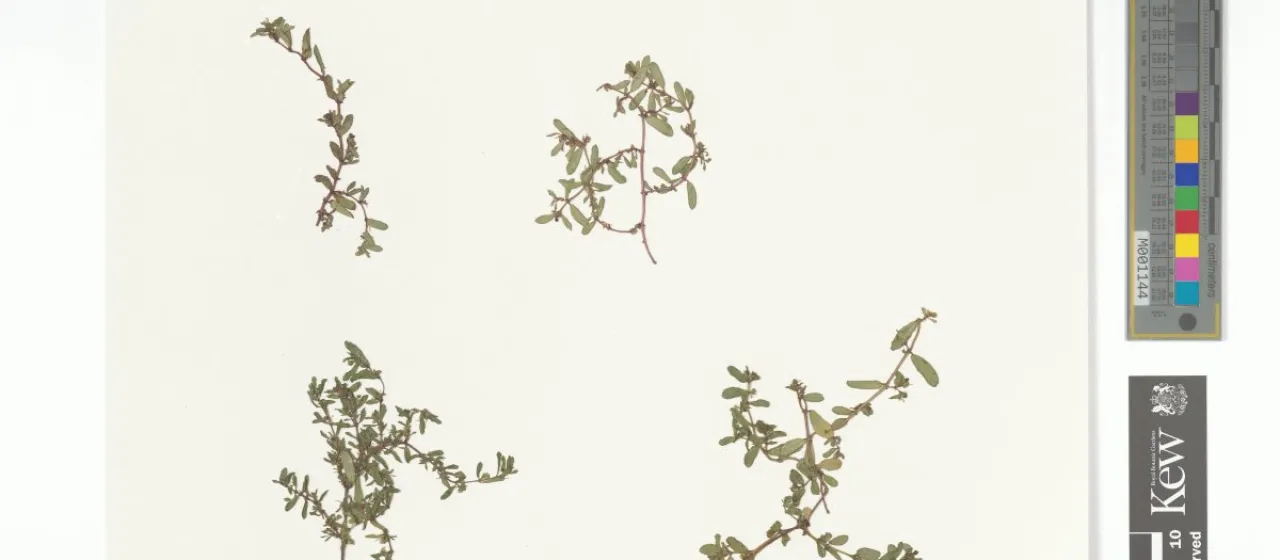
Forsskal's spurge (Euphorbia forskaolii) is an annual herbaceous plant belonging to the diverse Euphorbiaceae family. While frequently categorized as an invasive agricultural weed, its robust physiological profile and resilience to environmental stressors make it a subject of interest in botanical research and potentially for industrial raw material production.
The species is native to arid and semi-arid regions of North Africa and Western Asia. Throughout its evolutionary history, it has developed sophisticated survival mechanisms to withstand extreme heat and prolonged drought. These traits allow the plant to occupy ecological niches that are generally unsuitable for traditional food crops, making it a persistent colonizer of agricultural landscapes.
Botanically, the plant is characterized by a deep taproot, which facilitates access to sub-surface moisture, and a branching stem structure. Its leaves are typically narrow, and the presence of a milky white latex—a hallmark of the Euphorbia genus—contains complex secondary metabolites that serve as a defense mechanism against herbivores and pathogens.
Regarding agricultural management, this species thrives in well-drained, sandy soils and requires high light intensity for optimal growth. Effective management typically involves a combination of pre-emergent herbicides, mechanical tillage to disrupt the taproot before flowering, and the maintenance of competitive crop densities to suppress its establishment during the early stages of the growing season.
The primary agricultural concern is its impact on pasture productivity and crop yields, as the latex is toxic and can cause irritation or illness in livestock. However, ongoing agronomic studies are exploring its potential for bioenergy production, given the high lipid content in its tissues and its capacity for high biomass yield on marginal lands with minimal irrigation input.
- High tolerance to arid conditions.
- Efficient water-use mechanism.
- Prolific seed production cycle.
- Contains bioactive compounds.
Photo gallery