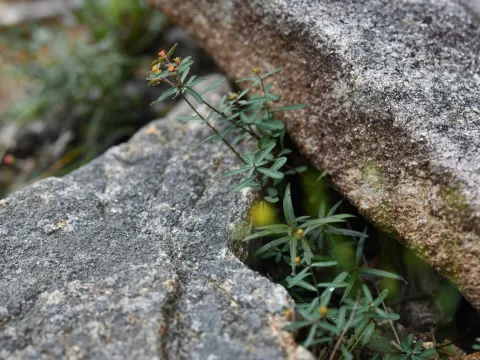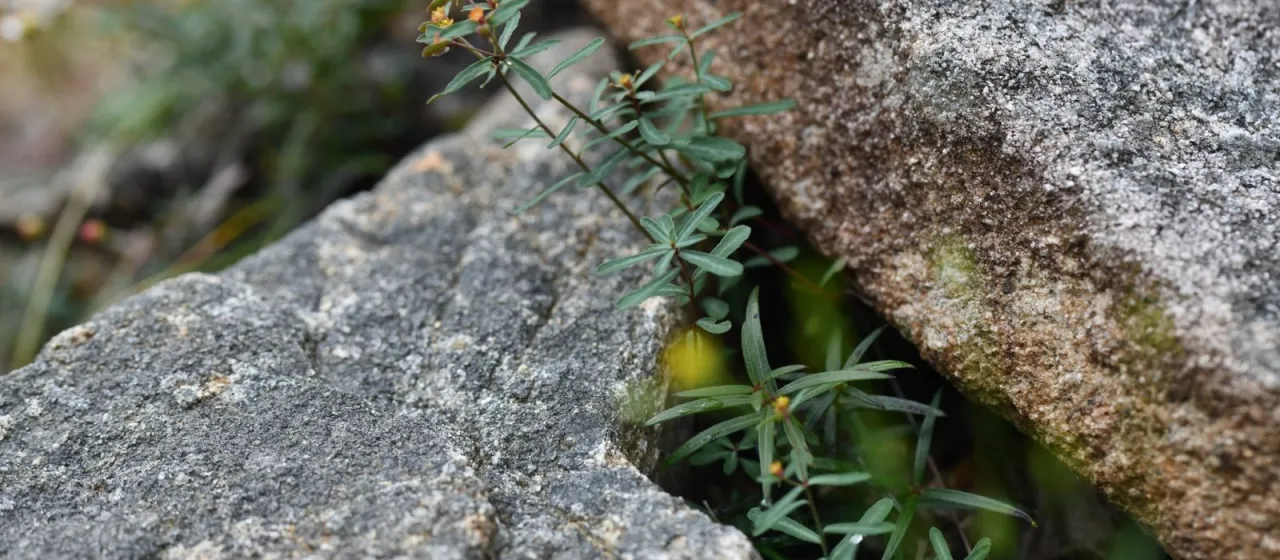
Description
Euphorbia gayi is a distinctive succulent species belonging to the Euphorbiaceae family. Renowned for its architectural form and unique growth pattern, this plant serves as a significant specimen in botanical collections and specialized xeriscaping projects. It is a slow-growing species that rewards careful cultivation with its striking appearance.
The plant originates from the island of Madagascar, where it is native to specific rocky habitats. Its wild population is distributed across regions that experience distinct dry and rainy seasons, which explains the plant's evolutionary strategy of entering dormancy to survive periods of extreme water scarcity. It is not currently cultivated as a major field crop but remains highly prized in the horticultural trade.
Botanically, Euphorbia gayi is defined by its succulent, ribbed stem, which is often adorned with tubercles. The foliage is typically sparse and deciduous, adapting to the plant's environmental stressors. The reproductive organs are found in cyathia, which are small but fascinating floral structures typical of the Euphorbia genus, reflecting the plant's complex evolutionary history.
Cultivation requirements for this species focus on replicating its native arid environment. It requires high-intensity light and a well-draining, mineral-based soil medium to prevent root rot, which is the most common cause of failure in cultivation. Proper irrigation involves a "soak and dry" method, with significant reduction in water during the winter dormant phase.
- Light: Full sun to bright filtered light.
- Soil: Highly porous, fast-draining gritty mix.
- Watering: Minimal, allowing the substrate to dry out completely.
- Temperature: Prefers warm conditions with no exposure to frost.
Common issues in the management of Euphorbia gayi include susceptibility to mealybugs and fungal infections if ventilation is poor. Growers must ensure consistent air circulation and avoid overhead watering to maintain plant health. Propagation is typically achieved through stem cuttings, which must be calloused thoroughly before planting to prevent rot at the base.
Photo gallery