
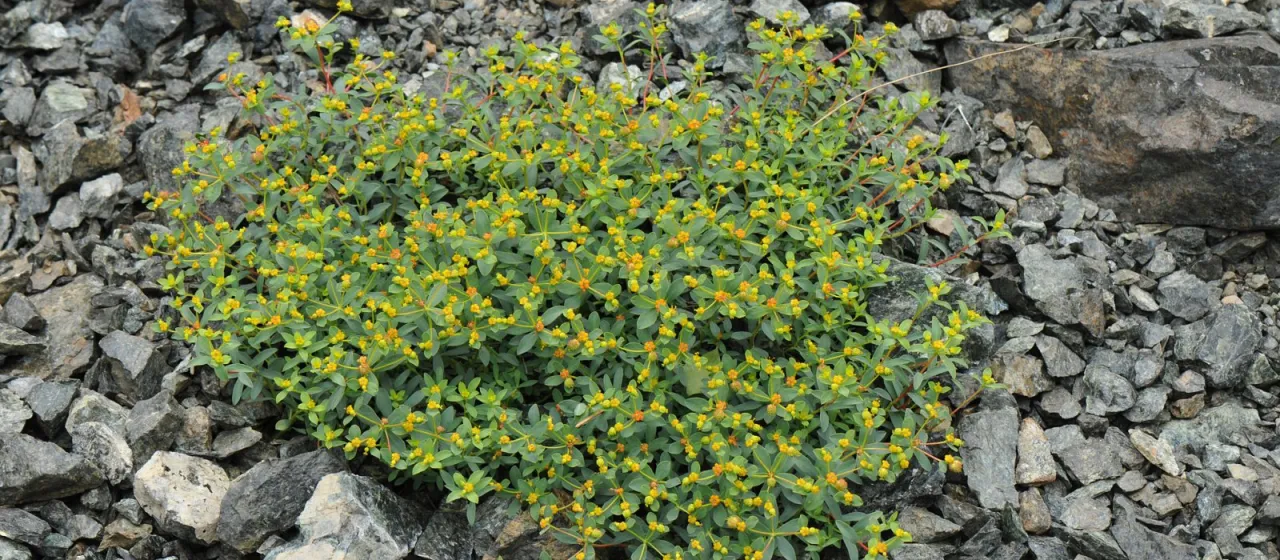
Description
Euphorbia glabriflora is a perennial herb belonging to the diverse Euphorbiaceae family. This species is recognized for its specialized adaptation to semi-arid environments, which distinguishes it as a notable member of the genus Euphorbia. In an agricultural and horticultural sense, it is valued for its resilience and unique physiological characteristics that allow it to thrive in nutrient-poor and moisture-restricted conditions.
The plant originates from the arid regions of Southern Africa, where it has evolved to cope with seasonal droughts and intense sunlight. Due to its restricted natural habitat, it is primarily cultivated in specialized nurseries, botanical gardens, and by collectors who focus on succulent species. Its distribution is limited, making it a rare and highly sought-after plant in controlled environments.
Botanically, Euphorbia glabriflora is characterized by its smooth, hairless inflorescences, which give the plant its specific name. The structural morphology includes succulent stems capable of water storage, and the presence of a milky latex that acts as a primary chemical defense mechanism against herbivores. The root system is deep-reaching, designed to tap into underground moisture reserves.
Optimal cultivation requires well-draining, sandy or rocky soil substrates with a neutral pH. The plant demands high levels of natural or artificial light to ensure proper growth and prevent etiolation. Irrigation should be managed with extreme caution: overwatering is the most critical risk, as it leads to root decay. A strict dry-down period between waterings is essential to maintain the health of the root system.
The economic and research applications of the plant are focused on its ornamental potential and the biochemical investigation of its sap, which contains various diterpenes and other compounds of interest to the pharmaceutical industry. Typical pests include spider mites and mealybugs, which are effectively managed through integrated pest control strategies. Maintaining good air circulation is the best preventive measure against fungal pathogens in this culture.