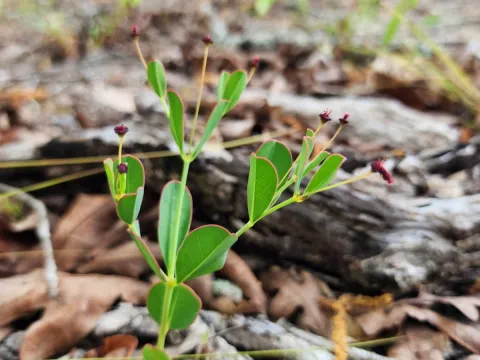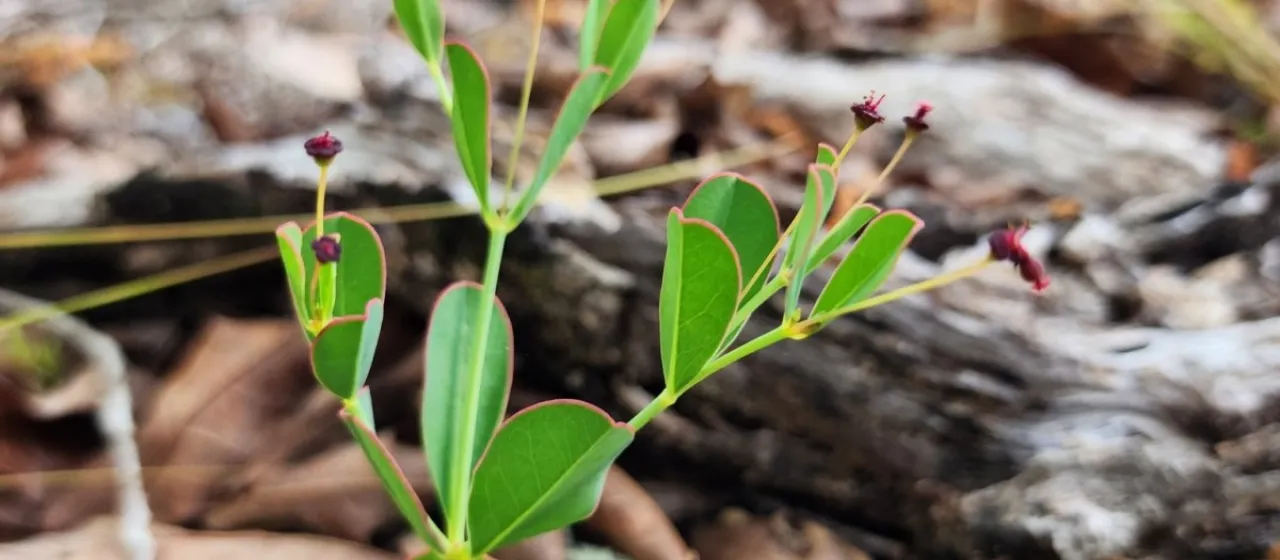
Description
Euphorbia gracilior is a perennial succulent plant that belongs to the diverse Euphorbiaceae family. This species is widely recognized by botanists for its distinctively slender growth habit and the presence of milky latex, which serves as a biological defense mechanism characteristic of the genus Euphorbia.
The species originates from arid regions in Africa, where it has evolved to thrive in harsh environments characterized by low precipitation and intense solar radiation. Its native range is restricted to specific microclimates that provide the necessary soil composition and thermal stability required for the plant's survival.
Botanically, Euphorbia gracilior is distinguished by its elongated stems and specialized structural adaptations that minimize water loss. The plant typically lacks significant foliage, relying instead on its stems for photosynthesis, which is a common survival strategy among drought-adapted desert succulent species.
Regarding agronomic requirements, the plant necessitates a highly porous and mineral-rich substrate to prevent moisture accumulation. Adequate drainage is paramount for healthy growth. In a controlled cultivation environment, it requires high levels of light exposure and a dry cycle during the winter dormancy period to mirror its natural habitat conditions.
Its primary application remains within the specialized horticultural industry and among succulent enthusiasts who collect rare botanical specimens. Typical issues encountered during cultivation include root rot caused by poor soil drainage and pest infestations, specifically mealybugs or spider mites, which can be managed through improved ventilation and targeted biological or chemical treatments.
Photo gallery