Description
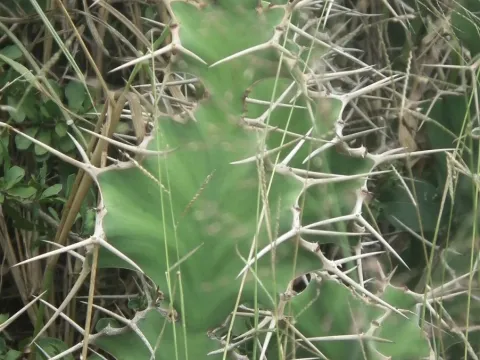
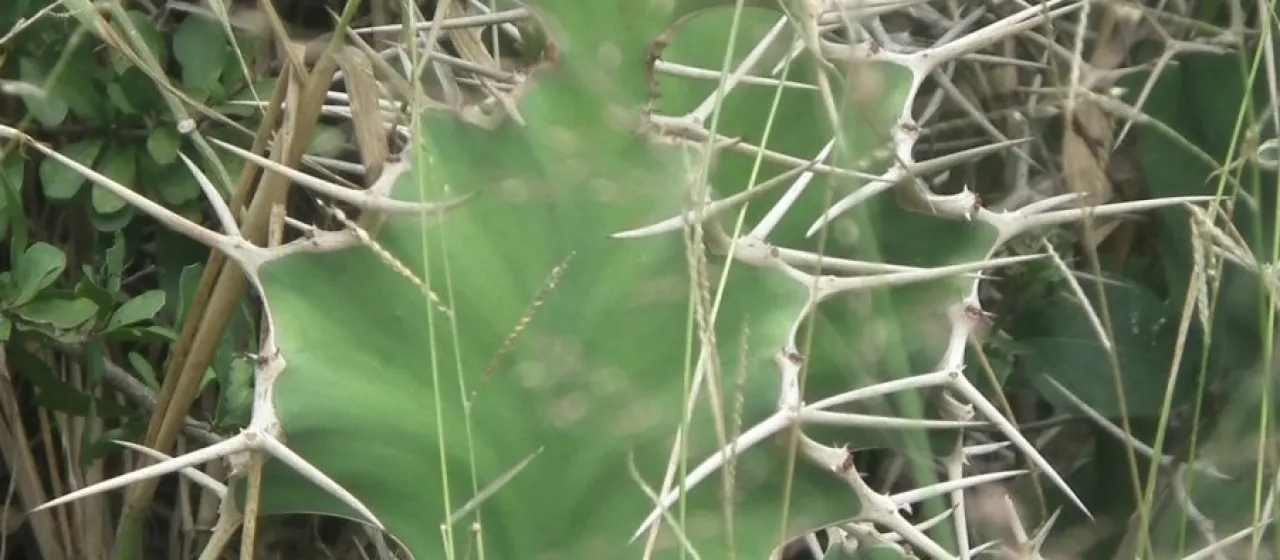
Big-horn euphorbia (Euphorbia grandicornis) is a remarkable succulent member of the Euphorbiaceae family. This species is widely recognized for its architecturally striking stem structure, which is characterized by prominent ribs and exceptionally long, paired spines, giving it a fierce appearance that resembles desert cacti.
Native to the arid regions of Southern and Eastern Africa, this plant has evolved to thrive in environments with limited water and intense solar radiation. In agricultural and horticultural contexts, it is classified as a low-maintenance, drought-tolerant crop suitable for dry-land xeriscaping, botanical collections, and as a specialized ornamental plant in controlled indoor environments.
Botanically, the species features a segmented, succulent growth habit. The stems are typically 3- or 4-angled, and the massive spines are a primary adaptation for protection against herbivores. Small, yellowish flowers may appear along the edges of the stem during the active growing season, adding subtle beauty to its rugged, structural form.
Cultivation requirements focus on mimicry of its natural habitat. It thrives in well-draining, mineral-rich soil and requires bright, indirect light to maintain its compact shape. Overwatering is the most common pitfall in its management; therefore, the irrigation cycle must strictly follow the drying-out of the substrate to prevent systemic root decay.
Host-plant utility is primarily decorative, though it serves well as a formidable living fence in climates where frost is absent. It is vital to handle the plant with caution, as it contains a milky, white latex that is highly toxic and irritant to the skin and eyes. Using protective equipment is non-negotiable for anyone involved in the plant's propagation or pruning.
- Ideal light: Bright, filtered sunlight.
- Soil pH: Neutral to slightly acidic.
- Growth speed: Slow to moderate.
- Propagation: Stem cuttings (must callus before planting).
- Dormancy: Requires a cool, dry winter rest period.
Pest management involves regular monitoring for sap-sucking insects like mealybugs and spider mites, which can thrive in the crevices of the stems. If an infestation occurs, application of horticultural oils or systemic insecticides is recommended. Maintaining proper air circulation around the plant is the best preventive measure against both pests and fungal pathogens.
Photo gallery