Description
Euphorbia gymnonota is a remarkable succulent species within the diverse Euphorbiaceae family. Known for its distinct structural morphology, this plant has adapted to survive in challenging, arid environments. In agricultural and botanical contexts, it is recognized for its durability and specific physiological mechanisms that allow it to thrive where other plants might fail due to environmental stress.
Native to specific dry regions, Euphorbia gymnonota is adapted to intense sunlight and sporadic rainfall. Its historical range is primarily restricted to areas characterized by sandy or rocky substrates with high mineral content. Understanding its origin is critical for successful cultivation, as the plant demands conditions that mirror its native habitat to maintain physiological health and vigor.
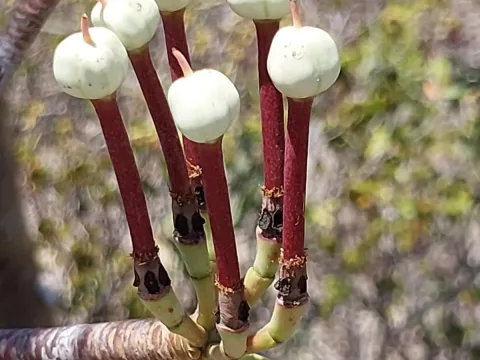
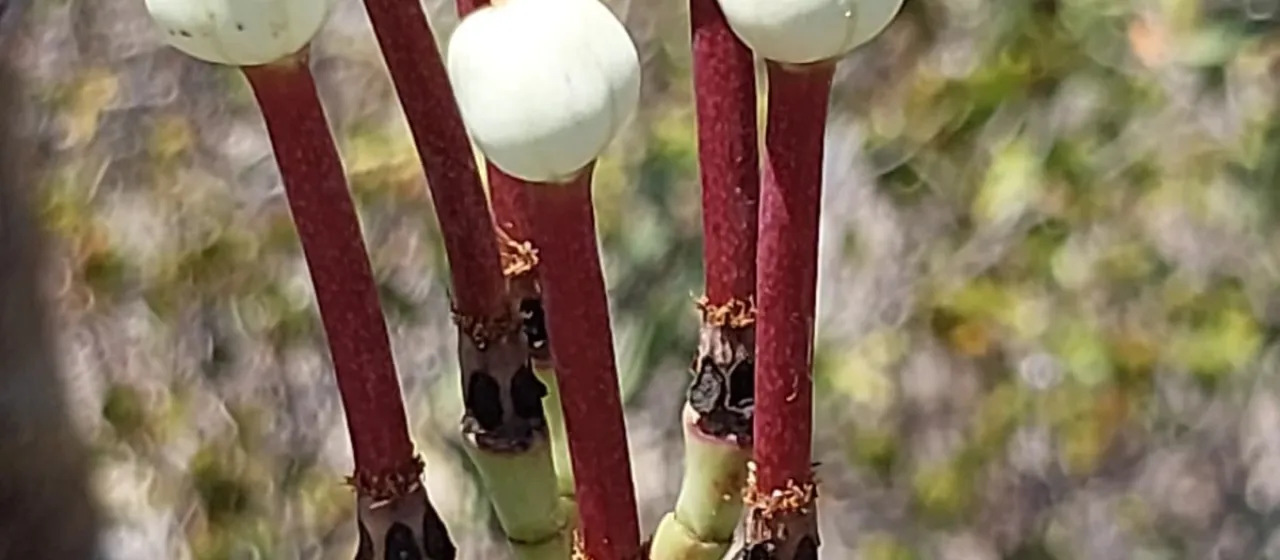
The botanical structure of this species is highly specialized. It lacks conventional broad leaves, instead utilizing its succulent stem to perform photosynthesis and store water. The surface of the stem is typically reinforced by a dense cuticle to prevent water loss. As is characteristic of many members of the genus Euphorbia, it produces a distinct milky sap (latex), which acts as a primary chemical defense mechanism against herbivores.
Agrotechnical requirements for Euphorbia gymnonota emphasize the importance of soil structure and hydration cycles. The primary prerequisite for successful growth is a highly porous, well-draining substrate that prevents moisture accumulation around the root zone. During the active growth phase, controlled watering is essential, while during the dormancy period, the plant requires significantly drier conditions to avoid susceptibility to fungal infections.
Pests and diseases primarily concern the root and vascular systems. Overwatering often leads to root rot, which is the most frequent cause of failure in agricultural settings. Common pests include mealybugs and spider mites, which can be managed through environmental control and targeted application of horticultural soaps. Maintaining high standards of hygiene and ventilation remains the best preventative strategy for long-term health.
Photo gallery