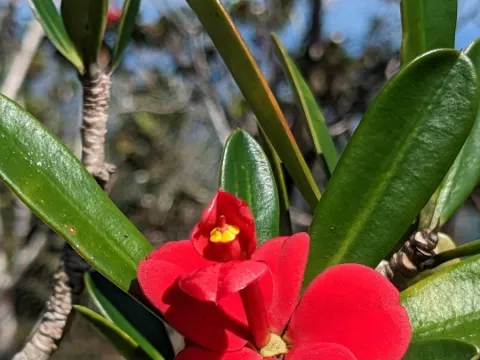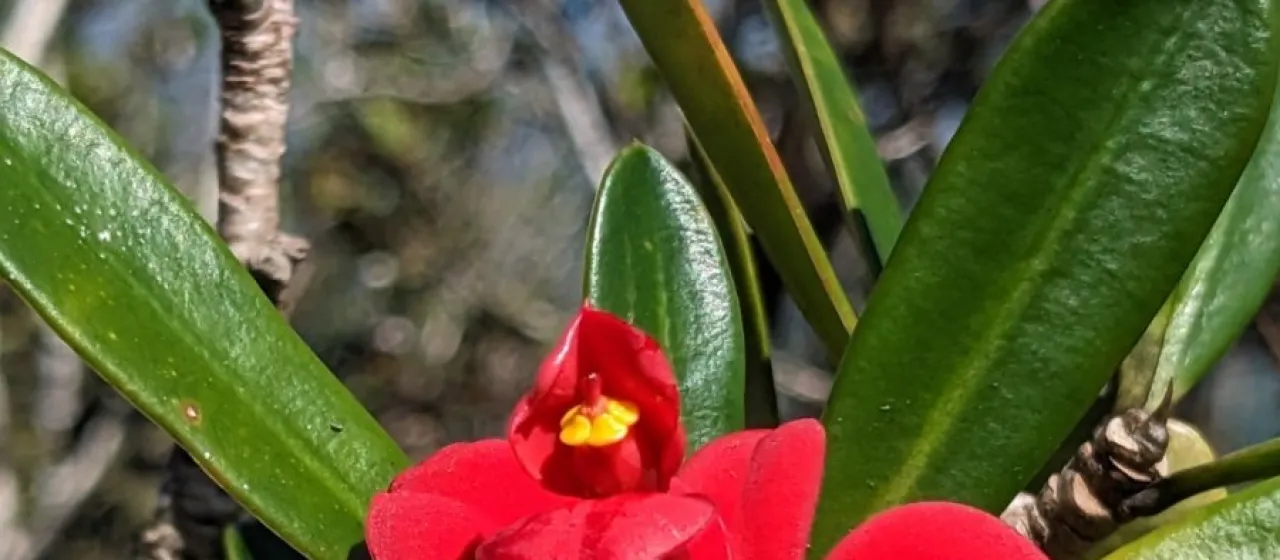
Description
Helena's Spurge (Euphorbia helenae) is a distinct species of succulent plant within the Euphorbiaceae family. Renowned for its unique architectural form, this species is frequently studied by botanists and utilized by enthusiasts interested in arid-adapted plant cultivation.
Originating from specific regions in Africa, this plant has evolved to thrive in environments with limited water availability and high solar radiation. Its natural habitat is characterized by well-draining, often stony or sandy soils, which dictate the fundamental requirements for its successful maintenance in a controlled setting.
Botanically, Euphorbia helenae is recognized by its succulent stem structure and specialized inflorescences typical of the genus. Its capacity to store water allows it to withstand significant drought periods, while its metabolic processes are highly efficient in high-temperature environments.
The agronomic management of this species revolves around the prevention of moisture-related stress. Cultivation requires a porous, well-aerated soil medium and careful avoidance of water stagnation. Adequate ventilation is also crucial to mimic the natural airflow of its native habitat and to maintain plant vigor.
Beyond its aesthetic and research utility, the plant is susceptible to common succulent pests such as scale insects and spider mites. Effective management involves consistent monitoring and the application of preventive measures to ensure the plant remains free from fungal pathogens associated with improper irrigation.
- Substrate: Highly porous with excellent drainage.
- Light requirements: Full sun to bright filtered light.
- Watering: Minimal; allow substrate to dry out completely.
- Propagation: Primarily by cuttings or seed.
- Pest management: Regular monitoring for sap-sucking insects.
Photo gallery