Description
Euphorbia hispida is a distinct species of succulent belonging to the diverse Euphorbiaceae family. This plant is highly regarded by enthusiasts for its unique architecture and its specific physiological adaptations that allow it to thrive in challenging, arid environments where many other species would fail.
The plant originates from the arid zones of Africa. Its natural habitat consists primarily of rocky slopes and well-drained terrain. Understanding its geographic origin is essential for successful cultivation, as the plant demands specific environmental conditions that replicate these high-light and low-humidity zones.
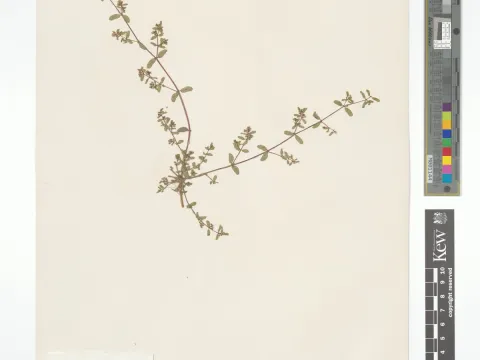
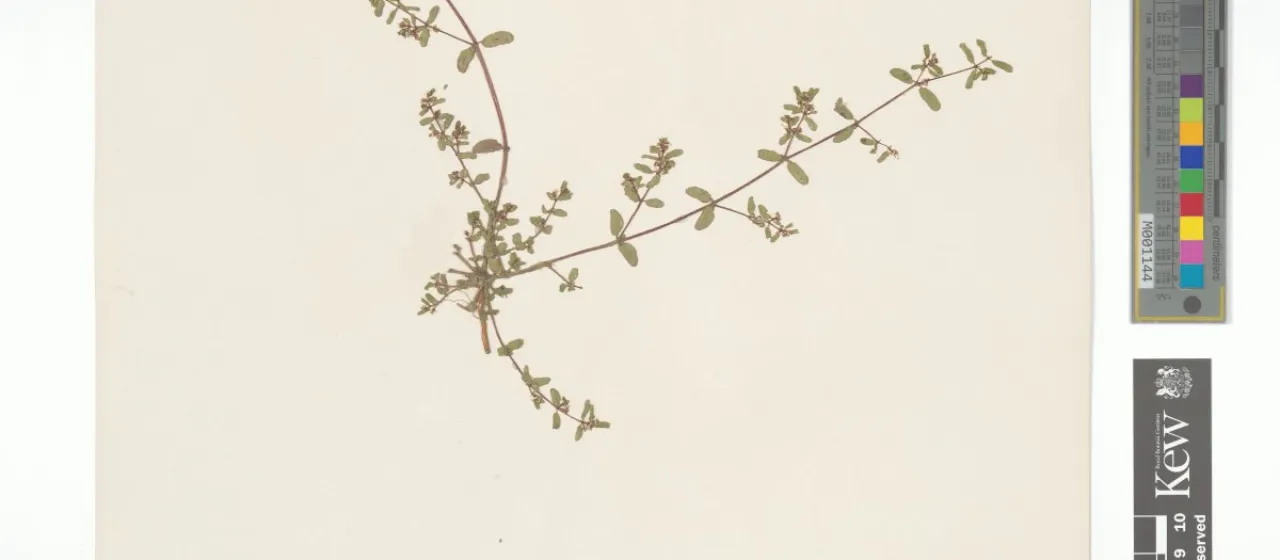
Botanically, the plant is characterized by fleshy, cylindrical stems covered in coarse, stiff hairs. This "hairy" appearance is not merely cosmetic; it acts as a protective layer against intense solar radiation. The growth habit is generally compact, with a branching structure that makes it an ideal subject for container gardening.
Regarding agrotechnical requirements, Euphorbia hispida necessitates a mineral-based, gritty substrate to prevent root rot. It demands significant amounts of bright, indirect sunlight to maintain its color and form. Overwatering is the most common cause of failure in cultivation, as the plant's roots are highly susceptible to oxygen deprivation in waterlogged soil.
In terms of practical usage, this species serves primarily as an ornamental succulent for private collections and botanical gardens. Common health issues that growers should monitor include:
- Mealybug infestations
- Root rot due to moisture accumulation
- Spider mite damage in dry, stagnant air
- Bacterial stem rot
Photo gallery