Description
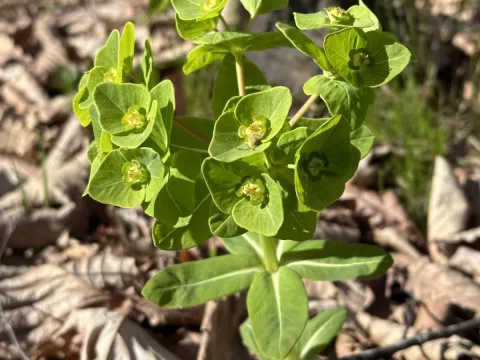
Komarov's spurge (Euphorbia hylonoma) is a perennial herbaceous plant belonging to the Euphorbiaceae family. In the agricultural sector, this species is noted for its potential industrial value, particularly in the extraction of bioactive compounds used in pharmaceutical research and traditional medicine.
Originating from the temperate regions of East Asia, the plant thrives in well-drained forest edges and open habitats. Its successful cultivation depends on mimicking these natural environmental conditions, which ensures optimal development of the vegetative biomass and root structure.
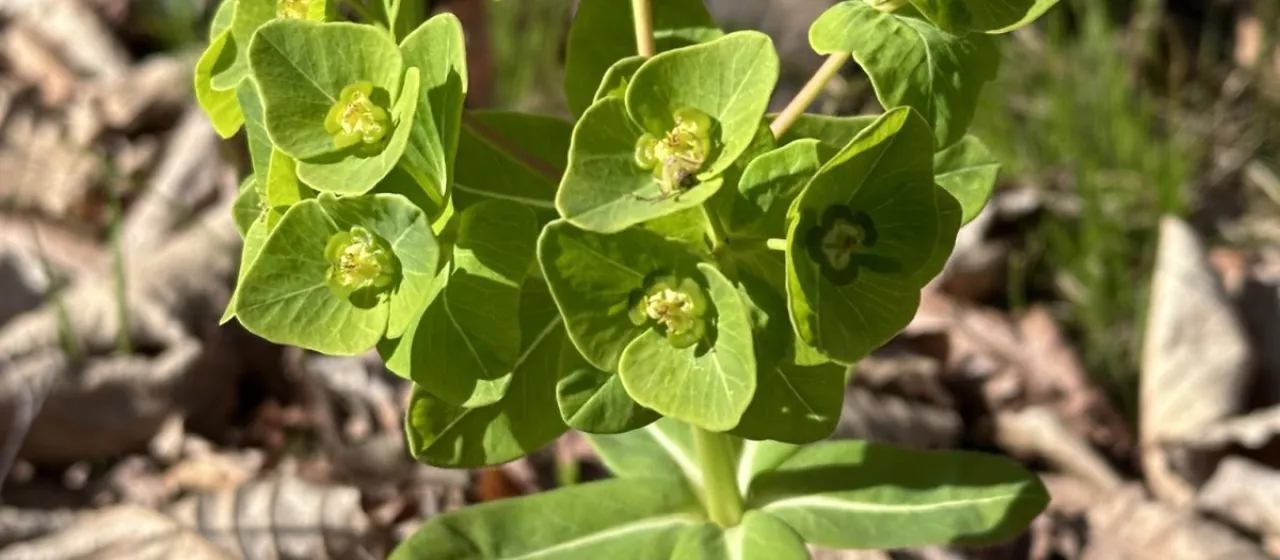
Botanically, it is characterized by upright stems, lanceolate leaves, and the typical cyathium-type inflorescence common to the Euphorbia genus. The plant possesses a robust root system, which contributes to its hardiness and ability to persist in various soil environments.
Agricultural practices for Euphorbia hylonoma require attention to soil drainage and pH balance, ideally favoring neutral soils. Growers should prioritize sunlight exposure while managing moisture levels. Essential maintenance steps include:
- Systematic weed management in the early stages.
- Controlled irrigation during peak growth periods.
- Application of balanced soil nutrients.
- Monitoring for pest colonization.
Major applications include the production of botanical extracts. Common threats include fungal pathogens such as powdery mildew, especially in humid conditions, and herbivorous insects like aphids. Integrated pest management strategies are recommended to maintain high yields in agricultural settings.
Photo gallery