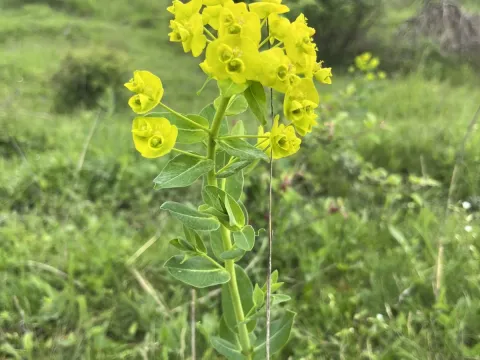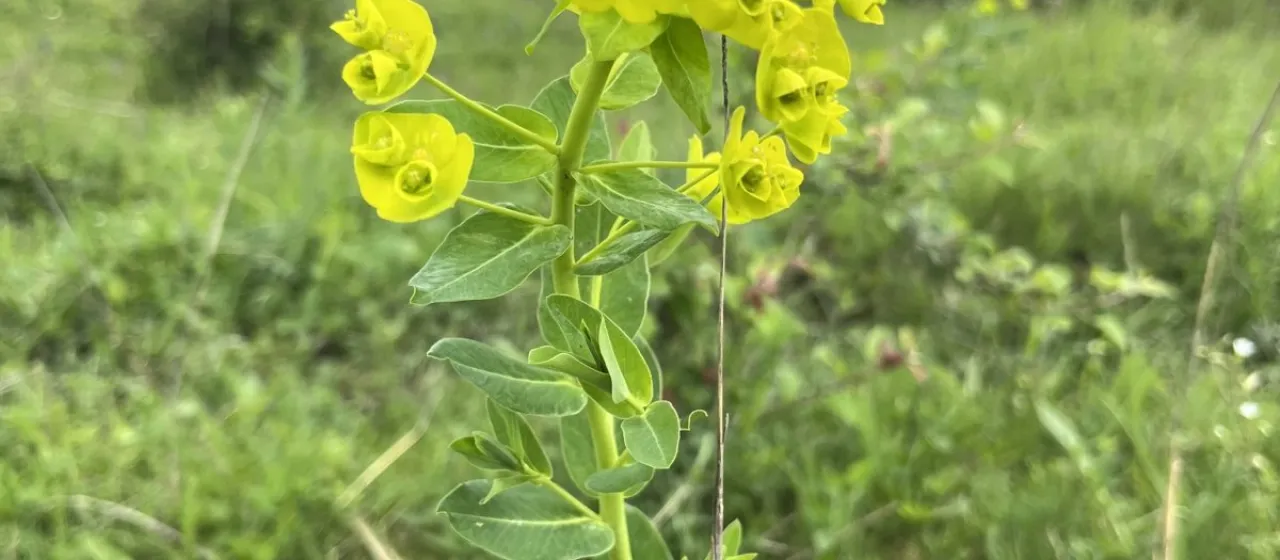
Description
Georgian spurge (Euphorbia iberica) is a perennial herbaceous plant belonging to the diverse Euphorbiaceae family. This species is recognized for its remarkable environmental adaptability, making it a subject of interest in both botanical research and specialized agricultural applications in arid regions.
The origin of this culture is closely linked to the Caucasus and neighboring regions, where it has historically occupied steppe and mountainous habitats. Its natural adaptation to harsh, semi-arid climates has allowed it to develop robust physiological mechanisms for moisture retention and thermal regulation, which are critical for its survival.
Botanically, the plant is characterized by a sturdy, upright stem and lanceolate leaves that contribute to its distinctive appearance. Like all members of the Euphorbia genus, it contains a milky, often caustic latex that serves as a natural defense mechanism against herbivores and certain pathogens. Its root system is deep and expansive, ensuring stability in various soil structures.
Cultivation requires adherence to specific agronomic standards, primarily focusing on soil drainage and sunlight exposure. The crop thrives in sandy or loamy soils and requires minimal supplemental fertilization. Excessive humidity is generally detrimental to the plant, so choosing a site that prevents water accumulation at the base is essential for preventing root diseases.
In terms of practical utilization, the plant is primarily investigated for its pharmacological potential due to the presence of secondary metabolites. In agriculture, it can be utilized in phytostabilization and landscaping, providing a low-maintenance cover for arid or neglected lands. Proper management involves periodic weeding and monitoring for rare pests that may affect its foliage.
- High tolerance for extreme heat and solar radiation
- Minimal water requirements once established
- Resistance to poor soil quality and low nutrient content
- Low maintenance requirements for large-scale management
Photo gallery