Description
Illyrian Spurge (Euphorbia illirica) is a herbaceous perennial plant belonging to the Euphorbiaceae family. This species is recognized for its architectural form and robustness, making it a subject of interest for both botanical research and specialized agricultural cultivation practices.
The native distribution of Euphorbia illirica spans across parts of Southern and Central Europe. It is well-adapted to Mediterranean and continental climates where drainage is efficient and soil conditions are typically limestone-based or gravelly. The plant thrives in habitats that provide consistent light exposure.
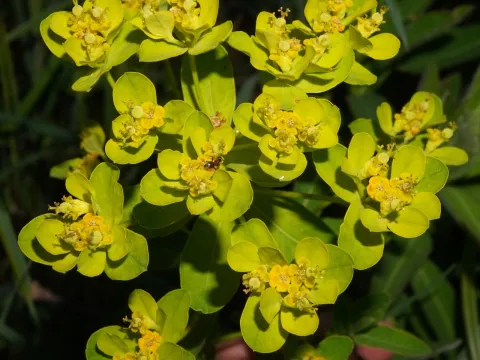
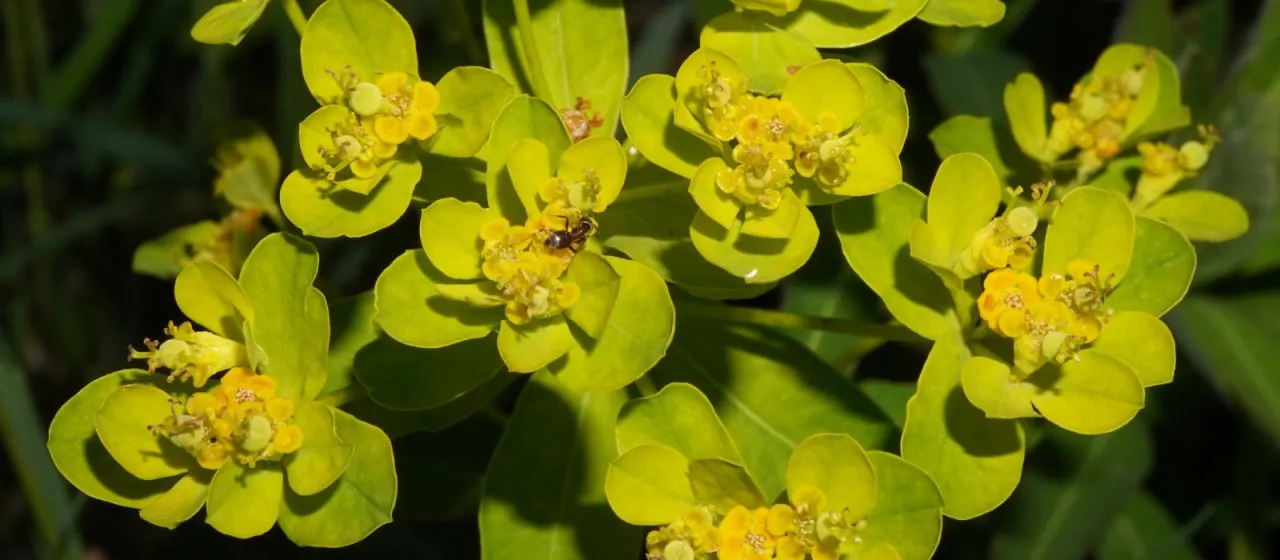
Botanically, it is characterized by an erect growth habit with linear-lanceolate leaves and a distinct latex-producing system. Its inflorescences are cyathia, which are typical of the genus Euphorbia, appearing as clusters of small, petal-like bracts. These features contribute to the plant's structural stability in various terrains.
Agronomic requirements for Illyrian Spurge focus on soil drainage and sunlight. It is a drought-tolerant species that suffers in waterlogged conditions, which often lead to root rot. Soils should be neutral to slightly alkaline, and moderate fertilization is usually sufficient to maintain healthy growth during the vegetation period.
Agricultural and commercial use of this crop includes ornamental landscaping and potential phytochemical research. Common pests include aphids and spider mites, which can be managed with standard integrated pest management practices. Disease control mainly involves preventing fungal infections by ensuring proper air circulation and maintaining dry soil conditions.
- Requires full sun exposure
- Prefers well-drained, porous soils
- Avoid heavy clay substrates
- Regular weeding in early growth stages
- Pruning after flowering maintains plant vigor
Photo gallery