Description
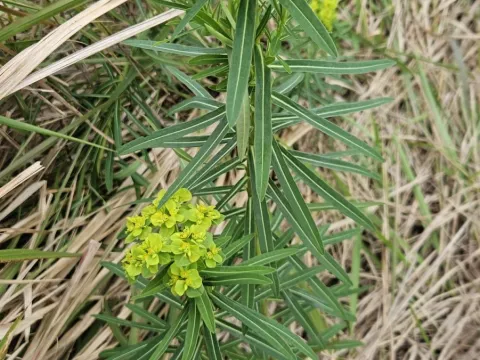
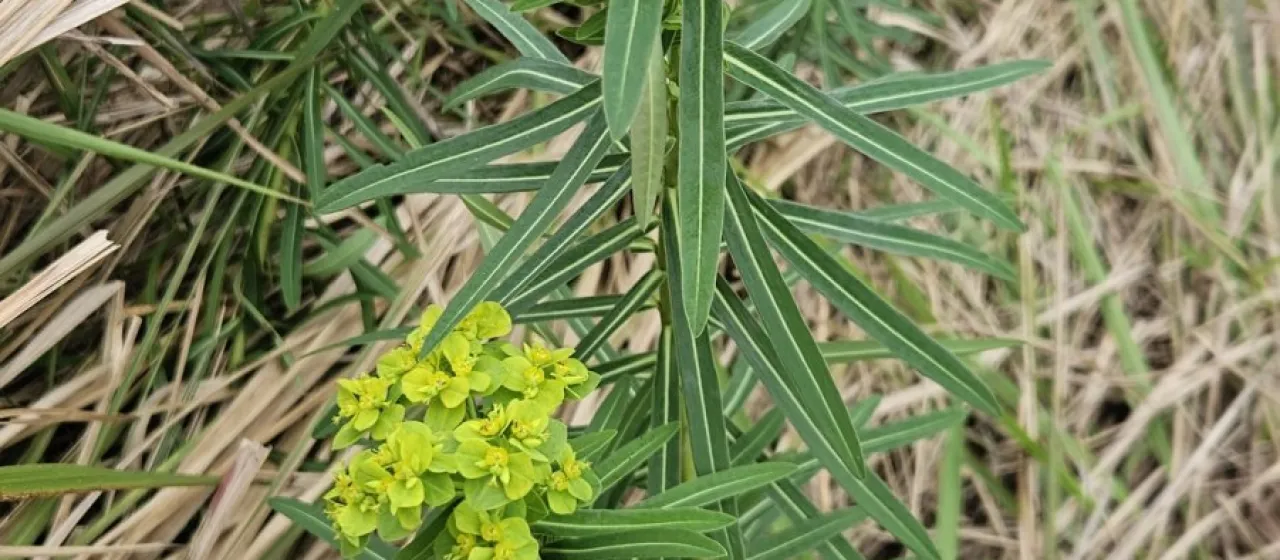
Jolkinii Spurge (Euphorbia jolkinii) is a herbaceous perennial plant belonging to the Euphorbiaceae family. This species is native to East Asia, primarily inhabiting regions across Japan and the Korean Peninsula. Characterized by its milky latex, this plant is of particular interest to researchers and botanists due to its unique chemical profile and adaptive capabilities in its natural mountain and grassland habitats.
Botanically, Euphorbia jolkinii is distinguished by its upright stem structure and alternate, linear-to-lanceolate leaves. The root system is robust, providing the plant with the stability and moisture absorption needed to survive in varying soil conditions. The inflorescences are typical for the genus, manifesting as cyathia—small, yellowish-green structures that serve both reproductive and aesthetic functions within the plant's life cycle.
In terms of environmental requirements, this species thrives in well-drained soil types, preferring substrates that do not retain excess water, as waterlogging is a primary threat to its root health. It is relatively adaptable to diverse climate zones within temperate and subtropical ranges, demonstrating resilience to occasional dry spells. Optimal growth is observed in locations with sufficient solar exposure, which facilitates the vigorous development of its vegetative mass.
Agricultural management of Euphorbia jolkinii involves standard cultivation practices, including careful weed control and soil aeration to maintain soil health. Fertilization strategies should focus on balanced nutrient application during the initial growth phases to ensure steady biomass production. Because the plant produces latex, handling requires precautions to prevent skin irritation, which is a standard safety protocol for all members of the Euphorbia genus.
The industrial and economic potential of this crop lies in its biochemical constituents. Research into its pharmaceutical properties suggests that various extracts derived from the plant may have applications in herbal medicine. Furthermore, its ability to grow in challenging soils makes it a viable candidate for land restoration projects and as a secondary crop in integrated farming systems, contributing to biodiversity and soil stabilization.
- Common pests: spider mites, aphids.
- Susceptible diseases: root rot (if overwatered), powdery mildew.
- Propagation: seeds or rhizome division.
Photo gallery