Description
Euphorbia lamprocarpa is a perennial herbaceous plant belonging to the large and diverse family Euphorbiaceae. Known in regional agronomy as a resilient species, it possesses specific adaptive traits that allow it to thrive in diverse environmental settings, making it an interesting subject for both botanical study and specific agricultural applications.
Originating from the temperate climatic zones of Eurasia, this species has evolved to withstand significant temperature fluctuations and prolonged periods of drought. Its native range is characterized by open habitats, such as steppes and light forests, where the plant has developed robust physiological mechanisms to manage water storage and optimize survival in nutrient-poor soils.
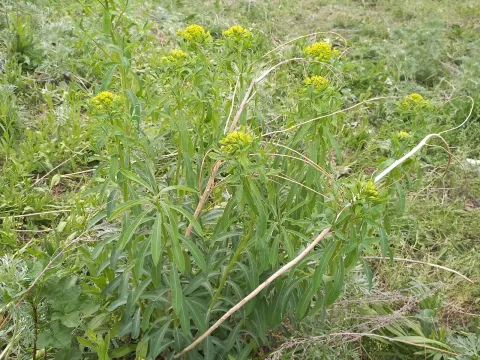
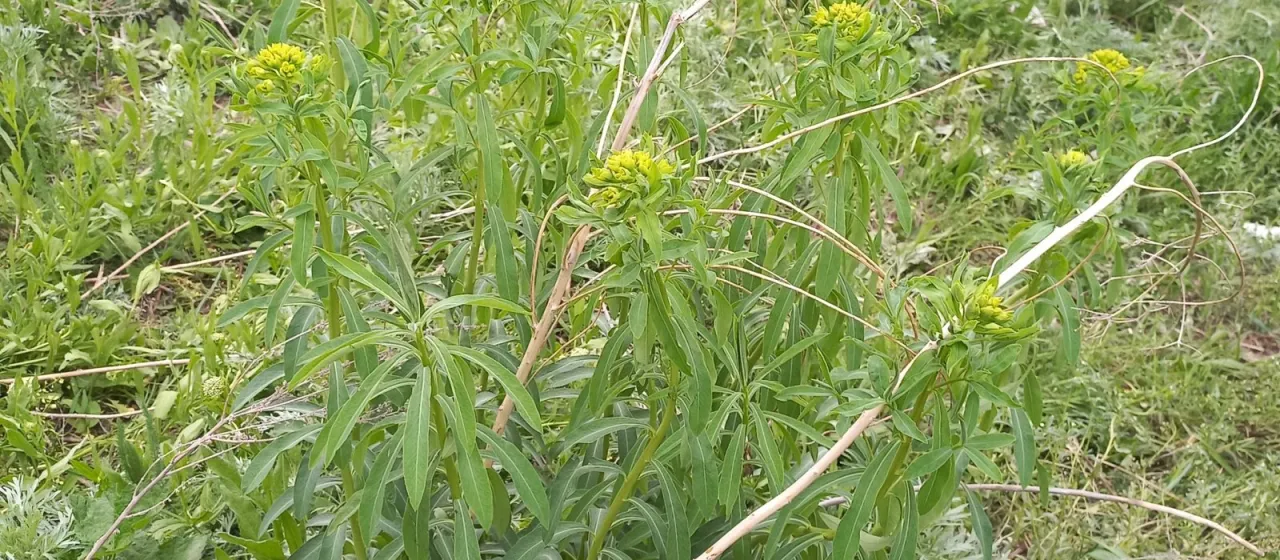
Botanically, the plant is distinguished by its erect stems containing a characteristic milky sap (latex). The foliage consists of linear-lanceolate leaves, while the inflorescences are arranged in complex umbels, typical of the genus. Its common name, reflecting the appearance of its light-colored, glossy seed capsules, emphasizes the taxonomic importance of its fruiting structures in distinguishing it from other Euphorbia species.
Cultivation requirements for Euphorbia lamprocarpa primarily involve ensuring well-drained, porous soil conditions with neutral to alkaline pH levels. The plant is highly drought-tolerant; therefore, over-irrigation is a common mistake that leads to root rot. Successful production requires site selection with high sunlight exposure and minimal humidity, which helps prevent the development of common fungal pathogens.
The economic and agricultural utility of this species includes:
- Landscape restoration and soil stabilization projects.
- Ornamental use in xeriscaping and sustainable garden design.
- Potential research in phytochemical extraction for medicinal purposes.
Photo gallery