Description
Laristan spurge (Euphorbia larica) is a perennial succulent shrub belonging to the Euphorbiaceae family. This species has evolved to thrive in some of the most arid environments on Earth, exhibiting remarkable physiological adaptations to severe water scarcity and high heat.
The plant is native to the Middle East, primarily documented in the desert and arid regions of Iran and the Arabian Peninsula. It typically inhabits rocky terrain and arid slopes where soil nutrient levels are low, and competition from other botanical species is minimal.
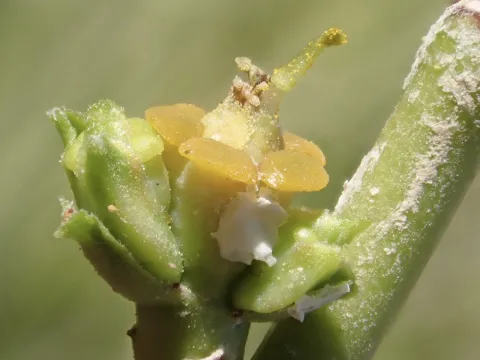
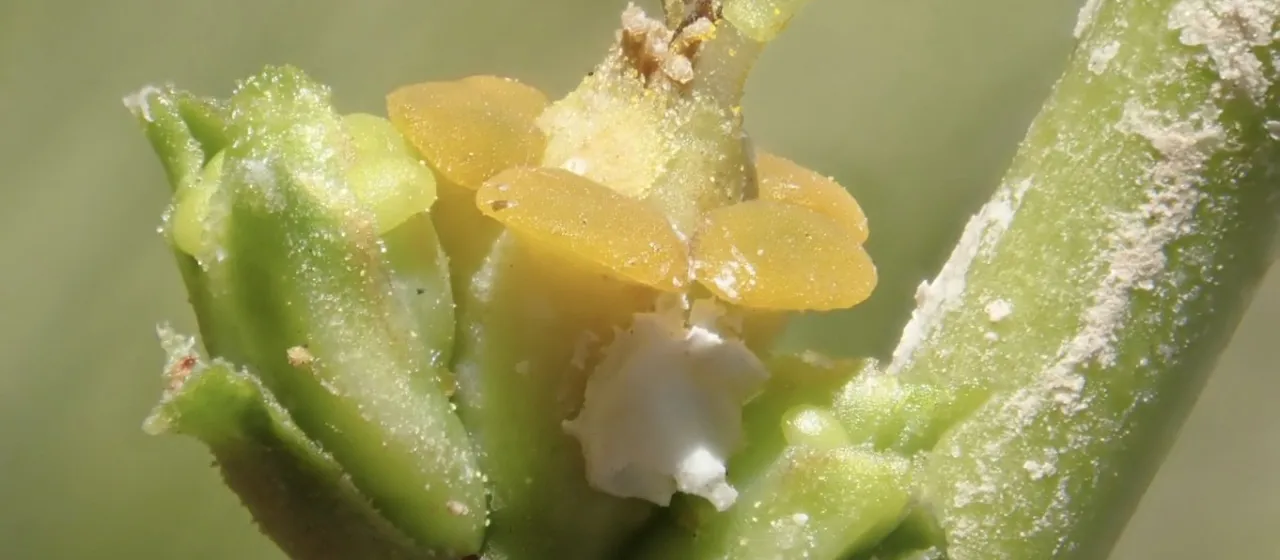
Botanically, it is characterized by its highly branched, fleshy stems that store water, allowing the plant to survive extended drought periods. Its foliage is reduced and often ephemeral, which significantly minimizes transpirational water loss. Like other members of the genus, it exudes a white, toxic latex when damaged, providing a chemical defense mechanism against herbivores.
Agricultural practices for Euphorbia larica center on replicating its native arid conditions. It requires extremely well-draining soil, ideally of a gritty or sandy composition, and full exposure to sunlight. Excessive irrigation is the primary factor leading to crop failure, as roots are prone to decay in saturated, oxygen-poor environments.
While not a traditional food or fiber crop, its value lies in its role in arid-land reclamation and ornamental landscaping. Potential pests include common succulent-feeding insects such as spider mites and mealybugs. Disease management primarily involves preventing fungal root infections through strict moisture control and ensuring adequate air circulation around the plants.
Photo gallery