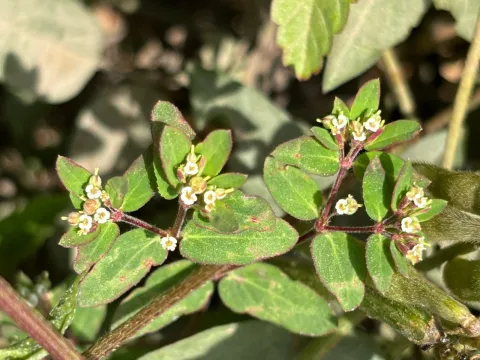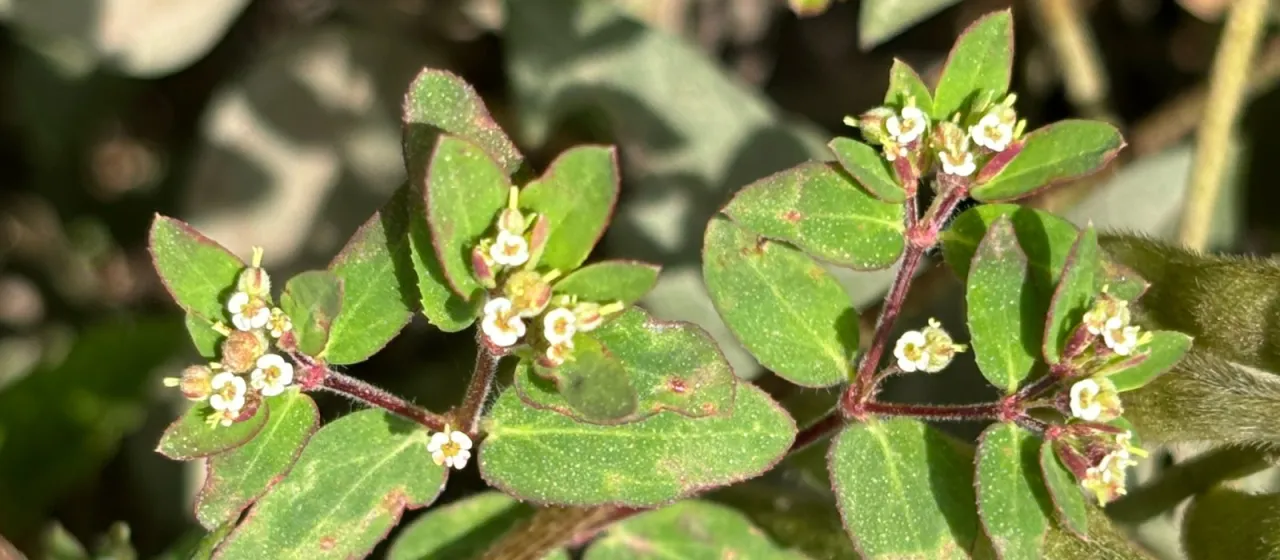
Description
The hairy-fruited spurge (Euphorbia lasiocarpa) is an annual herbaceous plant belonging to the diverse Euphorbiaceae family. In an agricultural context, this plant is primarily recognized as a weed species that can impact crop yields by competing for sunlight, moisture, and essential soil nutrients in various cropping systems.
Originating from the tropical and subtropical regions of the Americas, the species has successfully colonized diverse habitats across the globe. It is frequently found in disturbed soils, agricultural fields, and along roadsides, showing a strong ability to thrive in man-made environments where soil structure has been significantly altered.
The botanical structure of Euphorbia lasiocarpa is characterized by erect stems, opposite leaves, and the presence of fine hairs on its fruit capsules, which distinguishes it from many other species in the genus. Like all spurges, it contains a milky latex that acts as a natural defense mechanism against herbivores and certain insects.
This species is highly adaptable to various soil types, ranging from sandy loams to heavier clays, provided there is adequate drainage. It thrives in full sunlight and shows significant tolerance to short-term drought. Agricultural management involves early detection and mechanical removal before seed set, as the plant possesses a highly effective dispersal mechanism for its seeds.
While the hairy-fruited spurge has no major industrial value as a cultivated crop, its presence is a subject of study in weed science due to its potential toxicity to livestock. Diseases such as leaf rusts or stem rots may affect the plant, but its aggressive growth pattern often allows it to recover quickly from environmental stress or minor herbivore damage.
- High seed production capacity.
- Drought-tolerant physiological traits.
- Presence of irritating milky sap.
- Rapid colonization of disturbed farmland.
Photo gallery