Description
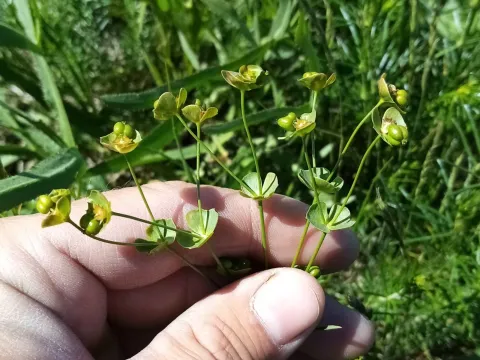
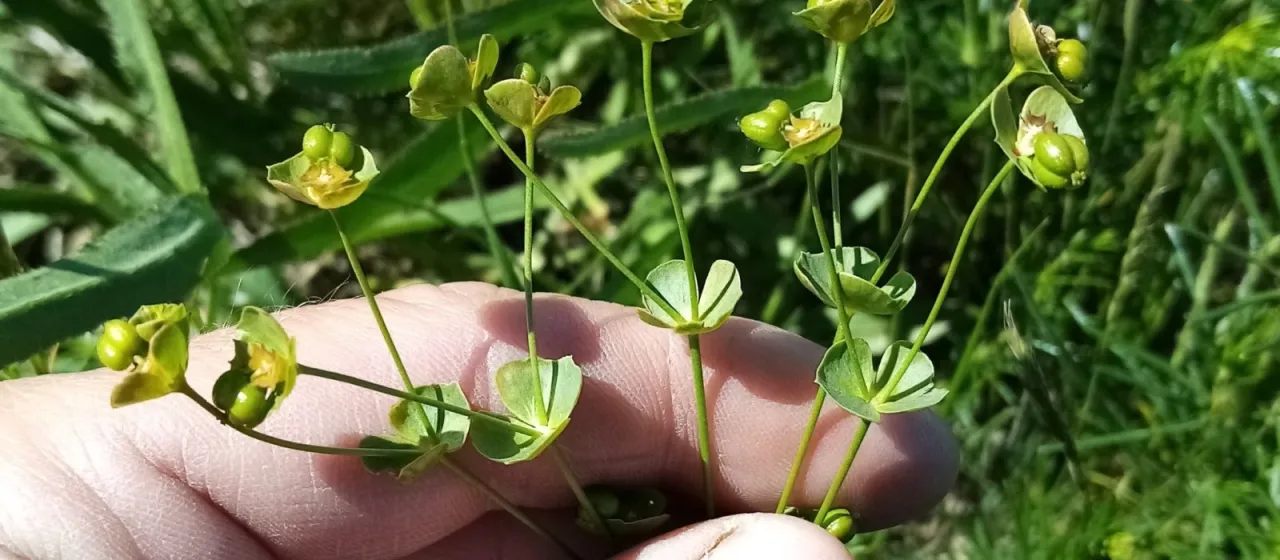
Thin-stemmed spurge (Euphorbia leptocaula) is a perennial herbaceous plant belonging to the Euphorbiaceae family. In modern agriculture, this species is recognized for its unique physiological traits, making it a subject of interest for cultivation in arid climates where water resources are significantly limited.
Originating from regions with semiarid conditions, the plant is naturally distributed across vast steppe landscapes. Its ability to thrive in challenging environments is supported by its deep, penetrating taproot system, which allows for moisture uptake from lower soil layers even during prolonged heat waves.
Botanically, the species is defined by its slender, erect stems and narrow, linear leaves. A defining characteristic of the plant is its milky sap, which contains various complex chemical compounds. The plant's structure is optimized to reduce evapotranspiration, allowing it to maintain metabolic processes under high solar radiation.
Cultivation requirements involve well-drained soil with a neutral to slightly alkaline pH. Proper agrotechnics prioritize soil preparation that promotes deep rooting, such as deep tillage. While the plant is drought-resistant, optimal yield in a commercial setting depends on the strategic application of fertilizers, specifically potassium, to bolster the structural integrity of the plant tissues.
The economic use of Euphorbia leptocaula is primarily centered on the extraction of biochemical compounds used in the chemical industry and pharmaceutical research. Additionally, there is potential for its use in soil reclamation projects, as the plant can stabilize sandy soils and prevent erosion in degraded areas. Pests such as aphids and specific fungal root rots remain the primary concerns for farmers.
- High drought tolerance characteristics.
- Requirement for well-aerated, sandy soil.
- Strategic role in industrial bio-extraction.
- Susceptibility to root rot in waterlogged conditions.
Photo gallery