Description
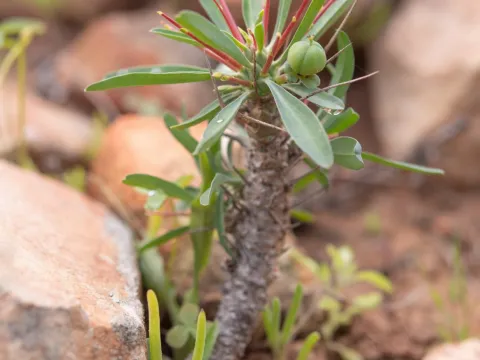
Euphorbia loricata is a fascinating succulent species belonging to the diverse Euphorbiaceae family. It is highly regarded among plant enthusiasts for its distinct armored appearance, which gives it a structural beauty rarely seen in more common ornamental varieties.
Native to the arid regions of South Africa, specifically the Cape Province, this plant has evolved to survive in extreme environmental conditions. Its natural habitat is characterized by poor, rocky soil and prolonged dry seasons, which have dictated its slow-growing and drought-resistant growth habits.
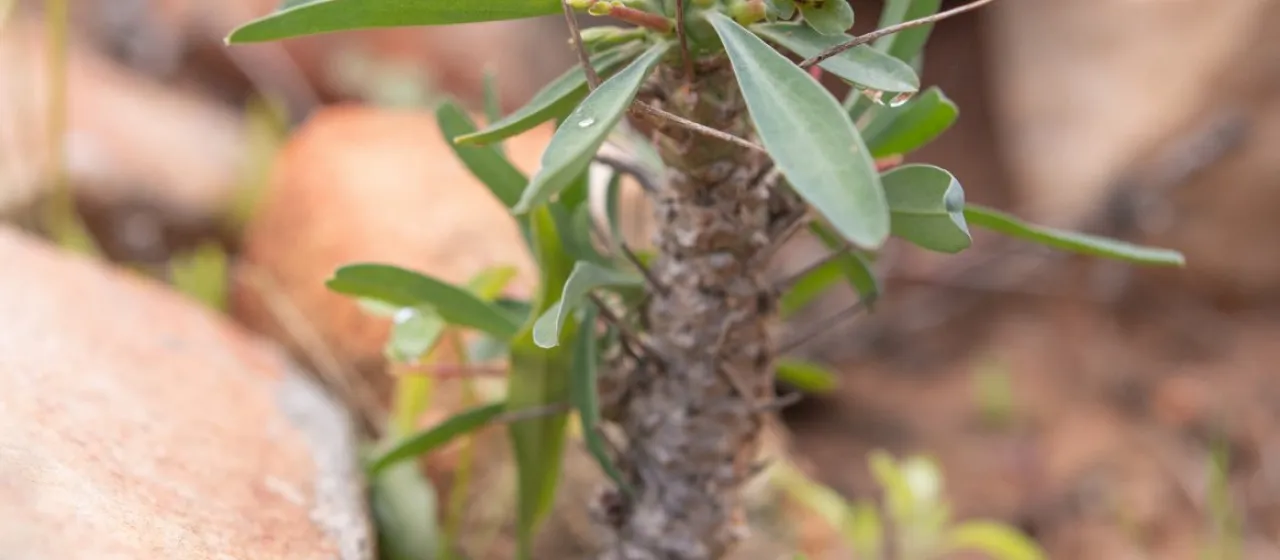
Botanically, the plant features a dense, clumping habit with fleshy, multi-branched stems. The common name "loricate" refers to the scale-like pattern on the surface of its stems, providing both aesthetic interest and protective covering. Like other members of the genus, it produces small inflorescences when mature.
Cultivation requires strict adherence to specialized agricultural practices: the soil must be extremely well-draining, typically consisting of a mix of pumice, sand, and fine gravel. Proper aeration of the root system is critical, and the plant should be kept dry during the cooler months to prevent physiological stress.
The primary use of Euphorbia loricata is in ornamental horticulture and xeriscaping. It is perfectly suited for container gardening where its slow growth and architectural form can be showcased.
- Common pests include mealybugs which can hide in the crevices.
- Disease management focuses on preventing rot via careful watering.
Photo gallery