Description
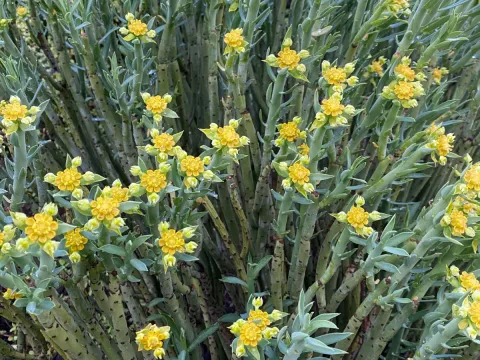
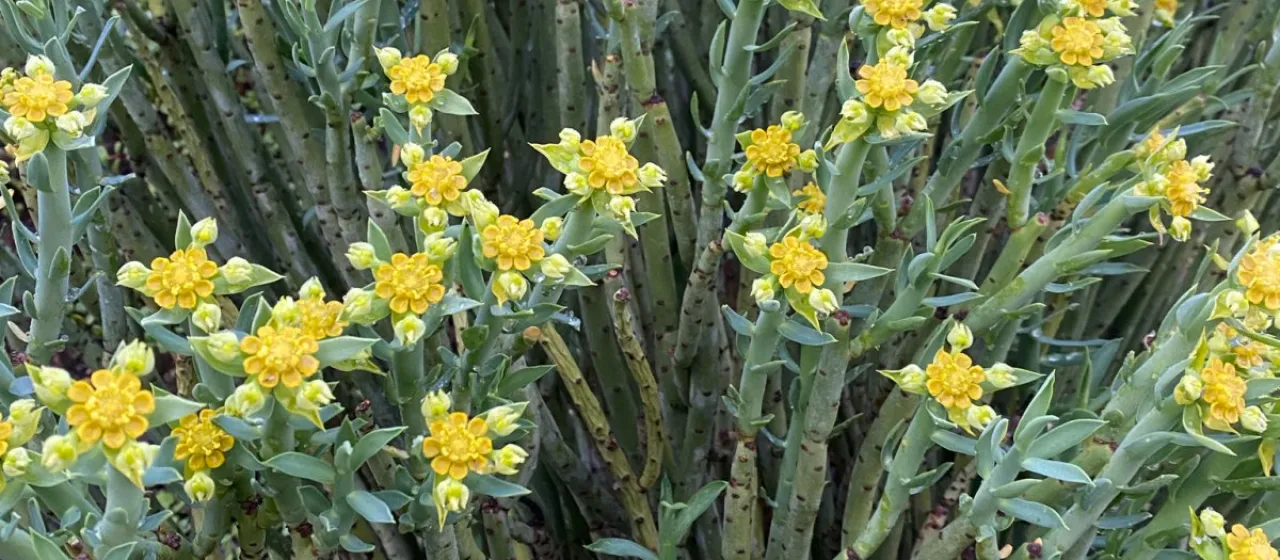
African pencil plant (Euphorbia mauritanica) is a perennial succulent species belonging to the Euphorbiaceae family. In the agricultural sector, this plant is recognized for its high adaptability to arid environments and its distinct structural aesthetics, which make it a significant asset for specialty greenhouse cultivation.
Native to the arid regions of Southern Africa, including Namibia and South Africa, this species has adapted to nutrient-poor soils and limited water availability. Its botanical features include pencil-like, succulent stems that function as the primary photosynthetic organs, minimizing water loss by reducing the surface area typically occupied by leaves in other plants.
Successful cultivation of Euphorbia mauritanica requires well-draining soil media, typically a mix of grit, sand, and light organic matter. The crop is highly sensitive to waterlogged conditions, which can quickly induce root rot. Agronomic management involves strict irrigation control, providing water only when the growing medium has dried out completely during the active growth phase.
The plant thrives in bright, direct sunlight and prefers warm temperatures. While it is hardy in arid climates, commercial production under glass requires consistent temperature management to prevent cold stress. When propagating, it is crucial to handle the stems with care, as the milky latex sap can be irritating and requires protective measures for personnel.
- Excellent drought tolerance and low water footprint.
- High sunlight requirement for structural integrity.
- Requirement for porous, aerated soil substrates.
- Susceptibility to scale insects and mealybugs in indoor settings.
Economically, the African pencil plant is cultivated primarily for the ornamental trade. It is used in xeriscaping projects, landscape design in drought-prone areas, and as a sought-after specimen for succulent collections. Its ability to thrive in harsh conditions makes it a low-maintenance choice for controlled environment agriculture and botanical display.
Photo gallery