
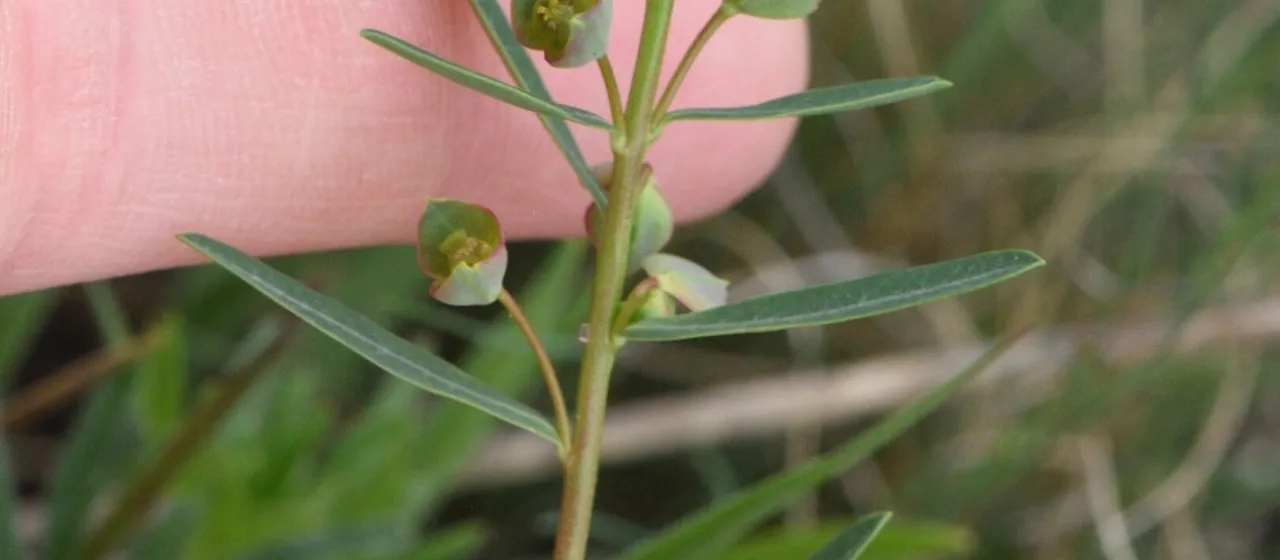
Description
Euphorbia microcarpa is a species of annual herbaceous plant belonging to the large and diverse family Euphorbiaceae. In an agricultural context, this plant is primarily recognized for its invasive nature, often behaving as a weed in cultivated fields. Like other members of the genus, it contains a distinctive milky latex that serves as a chemical defense mechanism against herbivores.
The plant originates from the temperate and subtropical regions of Eurasia, where it thrives in disturbed habitats. Its native range covers various ecological zones, allowing it to adapt to diverse soil conditions, ranging from sandy loams to heavy clays. Euphorbia microcarpa typically establishes itself in open areas, roadsides, and agricultural borders, showing a high preference for sunny environments with adequate soil nitrogen levels.
Botanically, the plant is characterized by slender stems and small, lanceolate leaves. The inflorescences consist of cyathia, which are unique specialized structures common to the Euphorbia genus. The fruits are small capsules—the source of the specific epithet "microcarpa"—which aid in the dispersal of seeds. The species relies heavily on seed production for its propagation, and these seeds can remain dormant in the soil for extended periods, making eradication a significant challenge.
Regarding agricultural requirements, successful management involves a combination of cultural and chemical practices. Crop rotation, which disrupts the life cycle of the weed, is considered a primary control measure. Furthermore, maintaining optimal soil health and proper cultivation timing can prevent the plant from dominating crops. Chemical management typically involves the use of systemic herbicides applied during the early vegetative stages, as older plants develop thick cuticles that limit chemical absorption.
The economic impact of Euphorbia microcarpa is largely detrimental, as it competes for water, nutrients, and sunlight with crops, potentially reducing overall yields. Furthermore, its potential toxicity makes it a concern in forage and grazing management. While it holds limited interest in the agricultural sector for beneficial use, research is occasionally conducted on its chemical components for botanical studies, though it remains a target for mitigation in commercial farming environments.
- Family: Euphorbiaceae
- Key Feature: Milky latex content
- Inflorescence: Cyathium
- Management: Integrated Weed Management (IWM)