Description
Euphorbia micromera is a herbaceous annual plant belonging to the large Euphorbiaceae family. In agronomy, it is primarily recognized as a wild plant species or a weed that thrives in challenging, arid environments, rather than a cultivated agricultural crop.
The species originates from the desert and semi-arid regions of North America, particularly the southwestern United States and northern Mexico. It is highly adapted to extreme heat and low moisture availability, naturally occurring in sandy or gravelly soils where few other species can establish themselves.
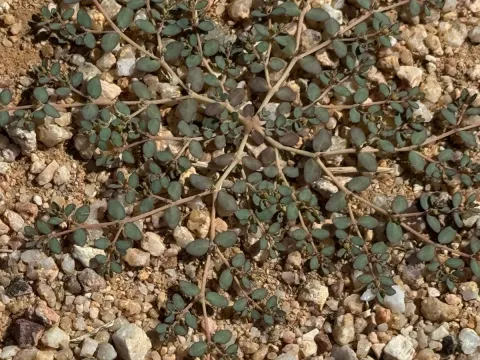
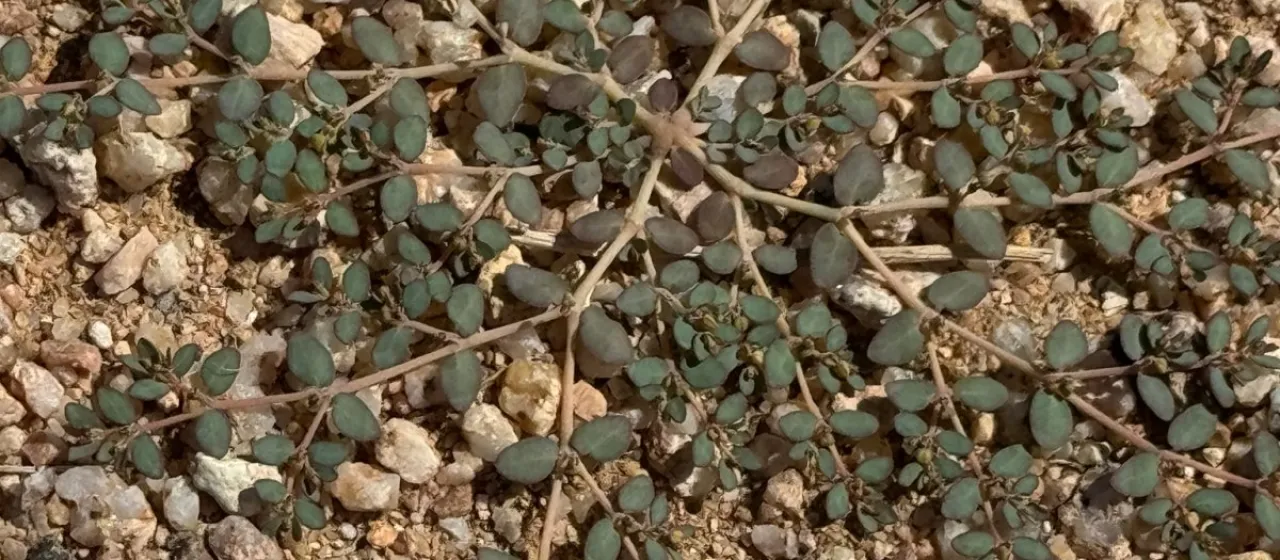
Botanically, this plant is characterized by its prostrate, spreading growth habit and diminutive size. The stems are slender and often branched, while the leaves are small and opposite, showing structural adaptations for water retention. The flowers are reduced to cyathia, which are microscopic and lack colorful petals, typical for the complex reproductive strategy of the Euphorbia genus.
The agronomic requirements of Euphorbia micromera are centered on high light exposure and excellent soil drainage. It is a true xerophyte, performing poorly in humid, clay-heavy, or waterlogged soils. In agricultural landscapes, it usually colonizes disturbed soils or areas with poor cover, making it a competitor for soil moisture in areas with sparse vegetation.
From an agricultural standpoint, the plant has no beneficial use and is often considered a nuisance. Its tissues contain a milky latex that can be irritating or toxic to livestock if ingested in significant quantities. Control in agricultural fields is generally managed through standard tillage practices or localized herbicide applications to prevent it from establishing a persistent seed bank.
- Family: Euphorbiaceae
- Life Cycle: Annual
- Ecological Niche: Xerophytic environments
- Defense Mechanism: Milky latex (toxic)
Photo gallery